
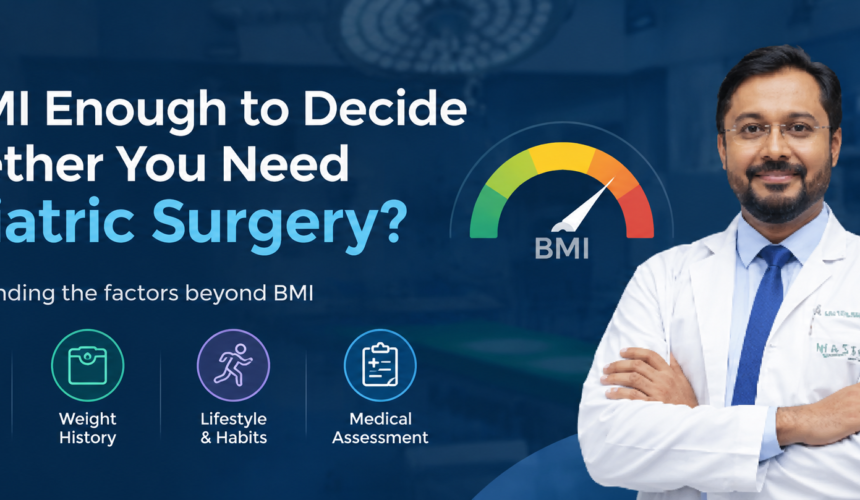
If you have been struggling with obesity for years, you may have already checked your BMI. Perhaps you have even searched online to find out whether your number qualifies you for bariatric surgery. But there is an important point many patients miss: BMI is a useful starting point, not the whole decision. A person with a BMI of 36 may have diabetes, high blood pressure and sleep apnoea, while another person with the same BMI may have a very different health profile. Similarly, people of Asian backgrounds can develop metabolic complications at lower BMI levels than some conventional BMI categories...

How Much Weight Can You Safely Lose in 3, 6 and 12 Months?
If you have decided to lose weight, one of the first questions that probably comes to mind is, “How many kilos can I realistically lose in the next few months?” It is a reasonable question. Someone may tell you they lost 10 kg in two months, while another person may lose only 4–5 kg during the same period. This can make it difficult to know what is actually safe and achievable. The truth is that there is no single weight-loss number that applies to everyone. Your starting weight, age, medical conditions, diet, activity level, medications, sleep, hormones and the treatment...

Weight-Loss Injections: Who Should Take Them and Who Should Avoid Them?
Losing weight is not always as simple as eating less and exercising more. For some people, obesity continues despite genuine efforts to improve their diet, activity levels and lifestyle. This is where prescription weight-loss medicines may have a role. Weight-loss injections such as semaglutide and tirzepatide have received considerable attention because they can reduce appetite, increase feelings of fullness and support clinically meaningful weight loss. But their popularity has also created confusion. People sometimes assume that anyone wanting to lose a few kilograms can take these medicines. That is not how they should be used. Weight-loss injections are prescription medicines,...
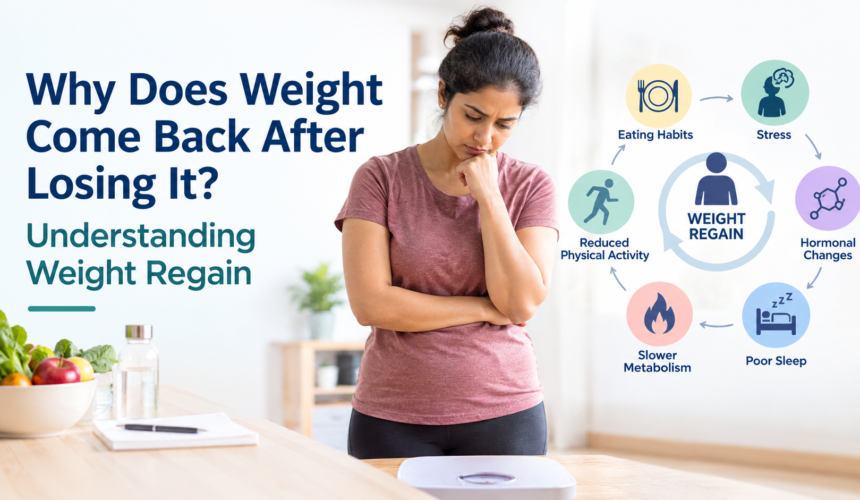
Why Does Weight Come Back After Losing It? Understanding Weight Regain
Losing weight can feel like a major achievement. You follow a diet, become more active, watch the numbers on the weighing scale come down, and finally reach a weight you had been working toward. Then, slowly, the weight starts coming back. For many people, this can be frustrating and even discouraging. Some may think, “I have lost weight before, so why can’t I keep it off?” Others blame themselves for not having enough discipline. But weight regain is more complicated than simply eating too much or exercising too little. After weight loss, the body undergoes biological and behavioural changes that...
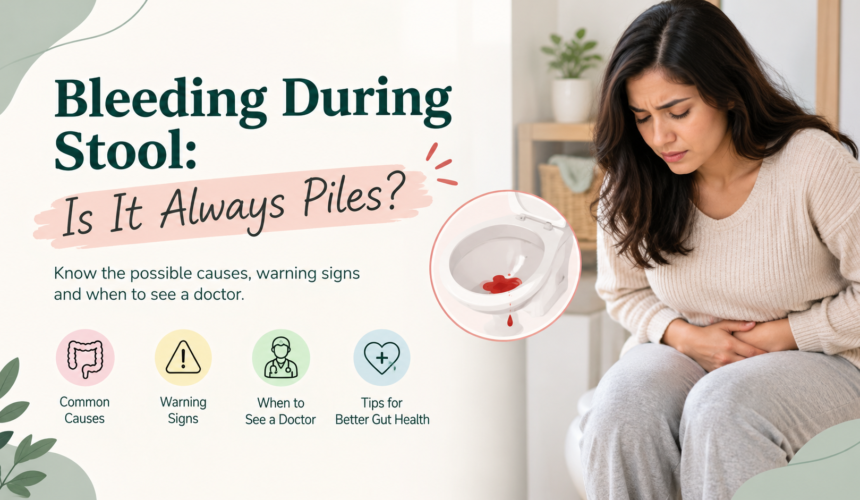
Bleeding During Stool: Is It Always Piles?
Seeing blood while passing stool can be frightening. For many people, the first thought is, “It must be piles.” Hemorrhoids, commonly called piles, are indeed one of the common causes of rectal bleeding. But they are not the only cause. Blood during or after a bowel movement can also occur because of an anal fissure, constipation, intestinal inflammation, polyps, infections, diverticular disease, or conditions affecting the colon and rectum. In some cases, rectal bleeding can be a warning sign of colorectal cancer. This does not mean that every episode of bleeding is serious. A small amount of bright red blood...

Can Bariatric Surgery Really Add Years to Your Life?
For someone living with obesity, the decision to undergo bariatric surgery is rarely just about losing weight. Many patients reach a point where they are asking a much bigger question: Can bariatric surgery actually help me live longer? This is an important question, particularly when obesity is accompanied by type 2 diabetes, high blood pressure, sleep apnea, fatty liver disease, heart problems, or joint disease. These conditions can affect both quality of life and long-term health. The answer is encouraging, but it needs to be explained carefully. Research suggests that bariatric surgery can be associated with longer life expectancy and...

What Are the Dos and Don’ts After Bariatric Surgery?
Bariatric surgery can be an important step for people struggling with obesity and weight-related health problems. But the operation itself is only one part of the journey. What you eat, how you eat, how active you become, and how regularly you attend follow-up appointments can all affect your recovery and long-term results. Many patients feel excited when they see their weight beginning to decrease after surgery. At the same time, the first few weeks can bring questions: Can I eat normal food? How much water should I drink? When can I exercise? Are vitamins really necessary? Which symptoms are normal,...

What Is the Average Lifespan of an Obese Person With Weight-Related Diseases?
One of the most difficult questions people with obesity and related health problems may ask is, “How long will I live?” It is an understandable concern. When obesity is accompanied by type 2 diabetes, high blood pressure, heart disease, fatty liver disease, sleep apnoea, or other complications, the worry can become even greater. However, there is no single number that can accurately predict the lifespan of every person with obesity. Obesity is associated with a higher risk of several chronic diseases and premature death, but individual risk depends on much more than body weight alone. Age, BMI, waist circumference, smoking,...

How Does Bariatric Surgery Transform Your Life From Obesity to a Disease-Free ?
For someone living with obesity, the problem is rarely limited to the number on the weighing scale. It may be waking up tired despite sleeping for eight hours. It may be struggling to climb a flight of stairs, living with knee or back pain, taking medicines for diabetes or blood pressure, or avoiding social situations because of concerns about appearance and mobility. Many patients also experience something less visible: the frustration of trying repeatedly to lose weight and then regaining it. This is where bariatric surgery can become more than a weight-loss procedure. For appropriately selected patients, metabolic and bariatric...

Obesity and Snoring: Is This a Dangerous Sign?
Snoring is often dismissed as an annoying but harmless part of sleep. Many people assume that it is simply caused by being tired, sleeping on the back, or having a blocked nose. But when snoring is frequent, loud, or accompanied by pauses in breathing, gasping, choking, or excessive daytime sleepiness, it deserves more attention. This is particularly important in people who are overweight or living with obesity. Extra tissue around the neck and upper airway can contribute to narrowing of the airway during sleep, increasing the risk of obstructive sleep apnea (OSA). So, is snoring with obesity dangerous? It can...