

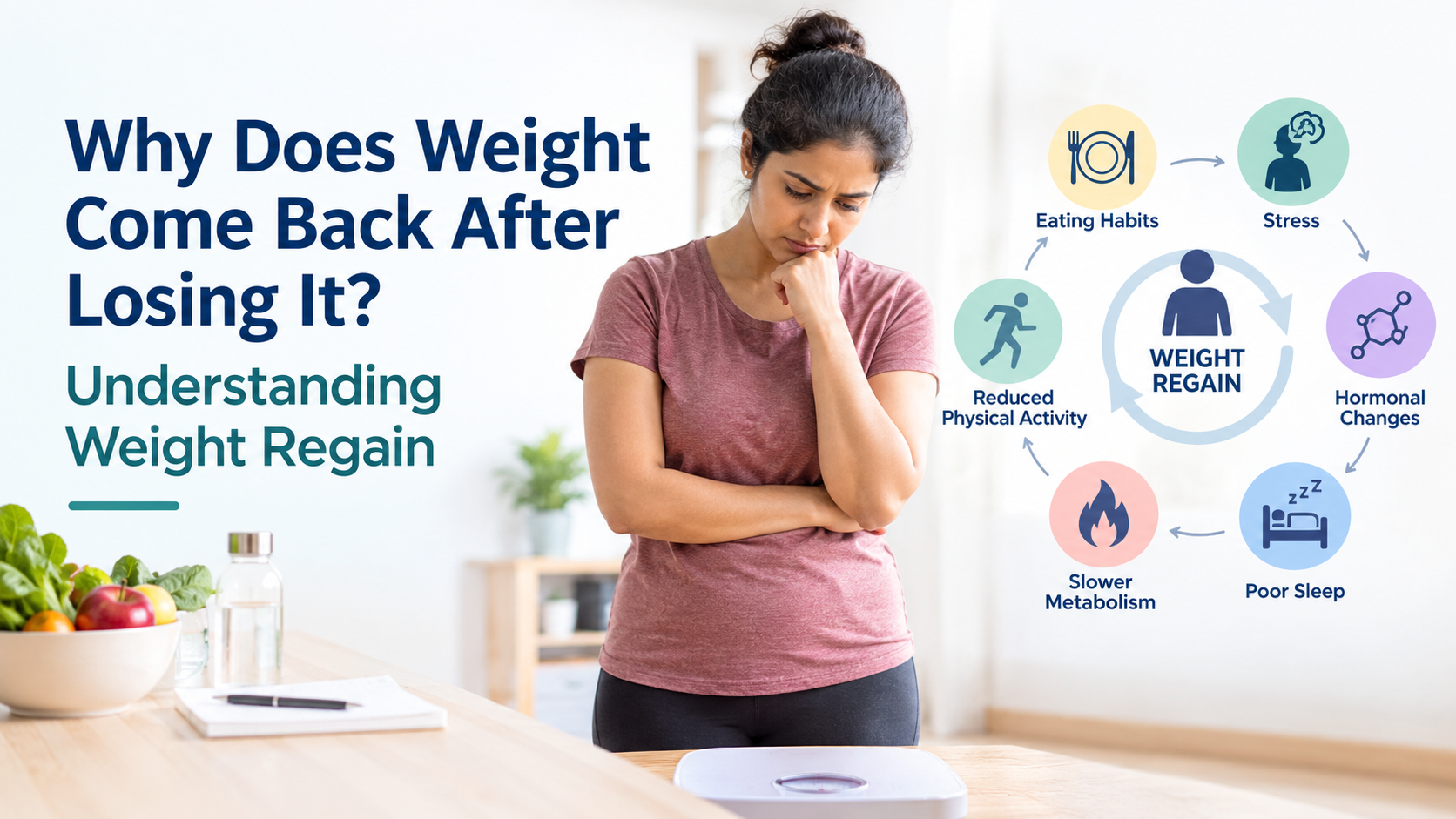
Losing weight can feel like a major achievement. You follow a diet, become more active, watch the numbers on the weighing scale come down, and finally reach a weight you had been working toward.
Then, slowly, the weight starts coming back.
For many people, this can be frustrating and even discouraging. Some may think, “I have lost weight before, so why can’t I keep it off?” Others blame themselves for not having enough discipline.
But weight regain is more complicated than simply eating too much or exercising too little.
After weight loss, the body undergoes biological and behavioural changes that can make maintaining a lower weight difficult. Appetite may increase, energy expenditure may decrease, and everyday habits or environmental factors can gradually push weight upward again.
This is why successful weight management should not end when the desired number appears on the weighing scale. Weight maintenance needs its own long-term plan.
For people looking for Obesity Treatment in Delhi, understanding why weight returns is an important part of choosing an appropriate and sustainable treatment approach.
What Is Weight Regain?
Weight regain means putting back some or all of the weight that was previously lost.
A small change on the weighing scale from day to day is normal. Body weight can fluctuate because of fluid retention, food intake, bowel movements, hormonal changes and other temporary factors.
Weight regain is different. It refers to a sustained upward trend after an initial period of weight loss.
For example, suppose someone loses 15 kg through dietary changes and exercise. If their weight gradually increases by 5–7 kg over the following months, that is weight regain.
Importantly, weight regain does not mean that the original weight-loss effort was useless. Even modest weight loss can improve several health measures, and the next step is to identify what is making maintenance difficult.
Obesity is influenced by multiple factors, including eating behaviour, physical activity, sleep, medications, medical conditions, genetics and the surrounding environment.
Why Does Weight Come Back After Losing It?
There is no single explanation. In many patients, several factors work together.
1. The body adapts after weight loss
One of the most important reasons for weight regain is the body’s response to losing weight.
When body weight decreases, the body generally requires fewer calories to maintain itself because there is less tissue to support. At the same time, metabolic adaptations can reduce energy expenditure further.
NIDDK notes that metabolism slows during weight loss and that the body requires fewer calories at a lower weight. Hormonal and other physiological changes can also make weight maintenance harder.
This means that the eating pattern that produced weight loss may not automatically maintain that lower weight forever.
The body is not simply a calculator where the same diet always produces the same result.
2. Hunger can increase after weight loss
Many people notice that they feel hungrier after losing weight.
This is not necessarily a failure of willpower. Research has shown that weight loss can trigger biological responses that increase appetite. NIDDK research has described increased appetite as one of the body’s mechanisms that can oppose further weight loss and contribute to regain.
This can create a difficult cycle:
Weight loss → increased hunger → larger portions or more frequent eating → gradual weight regain.
Someone may therefore feel that they are following almost the same routine as before but are struggling much more with hunger.
3. A restrictive diet may not be sustainable
Some diets produce rapid initial results because they drastically reduce food intake or eliminate entire food groups.
The problem often appears later.
A person may follow an extremely restrictive plan for several weeks or months but find it difficult to continue once work, travel, family functions or social events return to normal.
This is particularly relevant in India, where food is closely connected with family gatherings, festivals, weddings and social occasions.
A sustainable eating plan needs to fit real life.
Instead of asking, “How can I stay on this strict diet forever?”, it is often more useful to ask, “What eating pattern can I realistically continue for years?”
4. Physical activity may decrease
People often become more active during the weight-loss phase and then reduce activity once they reach their goal.
For example, someone may walk every morning during weight loss but stop after reaching their target weight. Over time, work demands, travel, fatigue or other responsibilities can reduce daily movement.
Physical activity plays an important role in weight maintenance. Current guidance recommends regular aerobic activity along with muscle-strengthening exercise, although the appropriate amount varies between individuals.
The goal is not necessarily intense exercise every day. Consistency matters more than choosing an activity that cannot be maintained.
5. Old eating habits can gradually return
Weight loss often involves changing eating behaviour.
But after reaching a goal, people may slowly return to previous habits:
- Larger portion sizes
- Frequent snacking
- Sugary drinks
- More restaurant or takeaway meals
- Frequent sweets and fried foods
- Eating while watching television or working
- Skipping meals and overeating later
These changes may appear small individually.
Over several months, however, they can create enough excess energy intake to cause gradual weight gain.
6. Stress and emotional eating can contribute
Food is not only about hunger.
Stress, boredom, anxiety, poor sleep, loneliness and emotional exhaustion can influence eating behaviour. Someone who previously managed these situations with a structured routine may begin using food as a source of comfort when that routine changes.
This is why simply telling a person to “eat less” may not solve the underlying problem.
If emotional eating, binge eating or persistent cravings are involved, professional support can be an important part of weight management.
7. Poor sleep may affect weight management
Sleep is another factor that is sometimes overlooked.
Poor or inadequate sleep can influence appetite, food choices, energy levels and daily activity. Sleep problems can therefore make it harder to maintain healthy behaviours.
Weight management should look at the whole picture rather than focusing only on calories.
The CDC also identifies sleep, stress, medications, medical conditions, genes and age among factors that can affect weight management.
8. Certain medicines or health conditions may affect weight
Some medicines can contribute to weight gain in susceptible individuals. Examples include certain medicines used for epilepsy, depression, psychotic disorders, diabetes, allergies and some cardiovascular conditions. Corticosteroids can also contribute to weight gain.
Some medical conditions can also affect weight.
Therefore, unexpected weight regain should not automatically be blamed on lifestyle.
If weight starts increasing despite consistent efforts, a doctor can review medications, medical history and relevant symptoms to determine whether another factor needs attention.
Why Weight Regain Can Happen Even After Bariatric Surgery
Bariatric surgery can produce significant and clinically meaningful weight loss, but surgery does not make a person permanently immune to weight regain.
After surgery, patients still need long-term follow-up, appropriate nutrition, physical activity and attention to eating behaviour.
Weight regain after bariatric surgery may have different causes, including changes in eating patterns, reduced activity, grazing or frequent high-calorie intake, psychological factors and, in some cases, anatomical or metabolic factors.
This is why a gradual increase in weight after surgery deserves attention rather than being ignored.
Early assessment can help determine whether the issue is primarily behavioural, nutritional, medical or related to the procedure.
For patients considering Obesity Treatment in Delhi, it is worth discussing not only how much weight a treatment can help you lose, but also what the long-term maintenance plan will look like.
Is Weight Regain a Sign That Weight Loss Failed?
No.
A person who loses 10 kg and later regains 3 kg has not necessarily “failed.” They have still achieved a period of weight loss, and the regain provides useful information about what needs to change.
Weight management is often a long-term process rather than a one-time event.
NIDDK specifically notes that setbacks happen and recommends returning to healthy habits rather than viewing a setback as failure.
The more useful question is:
“Why did my weight start increasing, and what can we change now?”
That shift in thinking can make weight management more practical and less emotionally exhausting.
How Can You Prevent Weight Regain?
There is no guaranteed method that prevents weight regain in every person. However, several strategies can improve long-term weight maintenance.
Continue healthy eating after reaching your goal
Weight maintenance does not mean returning to the eating pattern that contributed to weight gain.
Continue choosing balanced meals containing vegetables, fruits, appropriate portions of protein, whole grains or other nutrient-rich carbohydrate sources, and healthy fats.
The exact dietary pattern should be adapted to your medical conditions, preferences, cultural food habits and treatment plan.
Keep physical activity consistent
Do not treat exercise as something that ends when the weighing scale reaches your target.
Regular activity helps with weight maintenance and provides benefits beyond weight, including cardiovascular fitness, muscle strength and metabolic health.
For some people, brisk walking may be a practical starting point. Others may benefit from cycling, swimming, resistance training or a structured exercise programme.
If you have diabetes, heart disease, significant joint problems or another medical condition, discuss an appropriate exercise plan with your healthcare professional.
Monitor your weight
Regular monitoring can help identify a trend before a small regain becomes a larger problem.
You do not need to become obsessed with the weighing scale.
For many people, checking weight periodically and paying attention to changes in waist circumference, clothing fit, activity levels and eating habits can provide useful early signals.
NIDDK recommends regular weight monitoring as part of long-term weight maintenance.
Do not wait for major regain before seeking help
This is an important practical point.
Patients sometimes wait until they have regained most of the lost weight before returning to their doctor.
There is usually no need to wait that long.
If you notice a consistent upward trend over several weeks or months, discuss it early. A healthcare professional can review your diet, activity, medications, sleep, medical conditions and treatment history.
What Treatment Options Can Help With Long-Term Weight Management?
Treatment should be individualised.
Lifestyle modification remains an important foundation, but some people need additional medical treatment. Depending on the person’s BMI, health conditions, previous treatment attempts and overall assessment, options may include structured nutritional care, behavioural support, prescription weight-management medicines or metabolic and bariatric surgery.
Weight-loss medicines
Some prescription medicines can help people lose weight and, in appropriate patients, support weight maintenance.
However, these medicines should not be started, stopped or changed without medical supervision.
Weight regain after stopping medication can occur. NIDDK notes that people may regain some weight after discontinuing weight-management medicines, which is one reason long-term treatment planning is important.
Bariatric or metabolic surgery
For selected patients with obesity, bariatric surgery may be considered when appropriate.
The decision depends on several factors rather than weight alone. A specialist evaluates the person’s BMI, obesity-related conditions, previous attempts at weight management, nutritional status and overall health.
Surgery should be viewed as part of a long-term obesity management programme, not as a quick solution followed by a return to old habits.
When Should You See a Doctor About Weight Regain?
Consider medical evaluation if:
- Your weight keeps increasing despite efforts to control it.
- You regain a significant portion of previously lost weight.
- Hunger or cravings have become difficult to manage.
- You have developed or have worsening diabetes, high blood pressure or sleep-related problems.
- You are gaining weight after bariatric surgery.
- You suspect a medication is contributing to weight gain.
- You have symptoms suggesting another medical condition.
- Weight gain is affecting mobility, daily activities or quality of life.
A doctor may assess your weight history, waist circumference, diet, physical activity, medications, sleep, existing diseases and previous treatments. Additional tests may be recommended when clinically appropriate.
For patients seeking Obesity Treatment in Delhi, an experienced bariatric or obesity specialist can help identify whether lifestyle changes alone are sufficient or whether a more structured treatment approach is appropriate.
Practical Ways to Maintain Weight After Losing It
Think about weight maintenance as a routine rather than a final stage.
A few practical habits can help:
Build meals around nutritious foods. Include adequate protein, vegetables and fibre-rich foods to support fullness and nutrition.
Avoid getting excessively hungry. Long gaps between meals may lead some people to overeat later.
Keep moving. Combine regular walking or aerobic activity with strength exercises when appropriate.
Protect your sleep. Aim for a consistent sleep schedule and address persistent sleep problems.
Plan for social occasions. You do not need to avoid Indian celebrations, restaurants or family meals. Portion awareness and planning can make them easier to manage.
Track changes early. A small increase is easier to address than a large regain.
Get professional support when needed. Nutritionists, physicians, psychologists and bariatric teams can each play a role depending on the situation.
FAQs About Weight Regain
Why does weight come back after losing it?
Weight can return because the body adapts to weight loss by reducing energy expenditure and increasing appetite. Changes in diet, physical activity, sleep, stress, medications and other health factors can also contribute.
Is weight regain after dieting normal?
Weight regain is common and can occur because maintaining a lower body weight requires ongoing changes in energy balance and behaviour. It does not automatically mean that a person lacked discipline or that the original weight-loss effort was unsuccessful.
How can I stop weight from coming back after weight loss?
Long-term weight maintenance usually involves continuing a sustainable eating pattern, staying physically active, monitoring weight and addressing factors such as sleep, stress, medications and medical conditions. Ongoing professional support can also help.
Can metabolism slow down after weight loss?
Yes. During weight loss, the body generally needs fewer calories because body weight is lower, and metabolic adaptations can also occur. These changes can make maintaining weight loss more difficult.
Can weight come back after bariatric surgery?
Yes. Bariatric surgery can produce substantial weight loss, but some patients experience weight regain. Changes in eating behaviour, physical activity, medical factors and other issues may contribute. Significant or progressive regain should be discussed with the treating bariatric team.
Can weight-loss medicines prevent weight regain?
Some weight-management medicines can help with weight loss and may also support weight maintenance in appropriate patients. However, treatment needs to be individualised, and stopping medication can be followed by some weight regain.
When should I consult a doctor for weight regain?
Consult a doctor when weight is steadily increasing, when you regain a substantial amount of previously lost weight, or when weight gain occurs alongside diabetes, high blood pressure, sleep problems, reduced mobility or other health concerns.
Conclusion
Weight regain is not simply a matter of willpower.
After weight loss, the body can respond with increased appetite and changes in energy expenditure. At the same time, everyday factors such as diet, physical activity, sleep, stress, medications and medical conditions can influence whether weight stays off.
That is why effective obesity care should focus not only on losing weight but also on maintaining the improvement over time.
If you have repeatedly lost weight only to regain it, consider discussing the pattern with a qualified specialist rather than starting another extreme diet. A personalised approach can help identify why the weight is returning and whether nutritional counselling, lifestyle treatment, medication or bariatric treatment may be appropriate.
For individuals seeking Obesity Treatment in Delhi, a detailed medical assessment can be the first step toward creating a realistic long-term weight-management plan.
Medical disclaimer: This article is intended for general educational purposes and does not replace an individual consultation, diagnosis or treatment plan. Weight-management treatment should be tailored to each person’s health, medications, nutritional needs and medical history.

Leave a Reply