

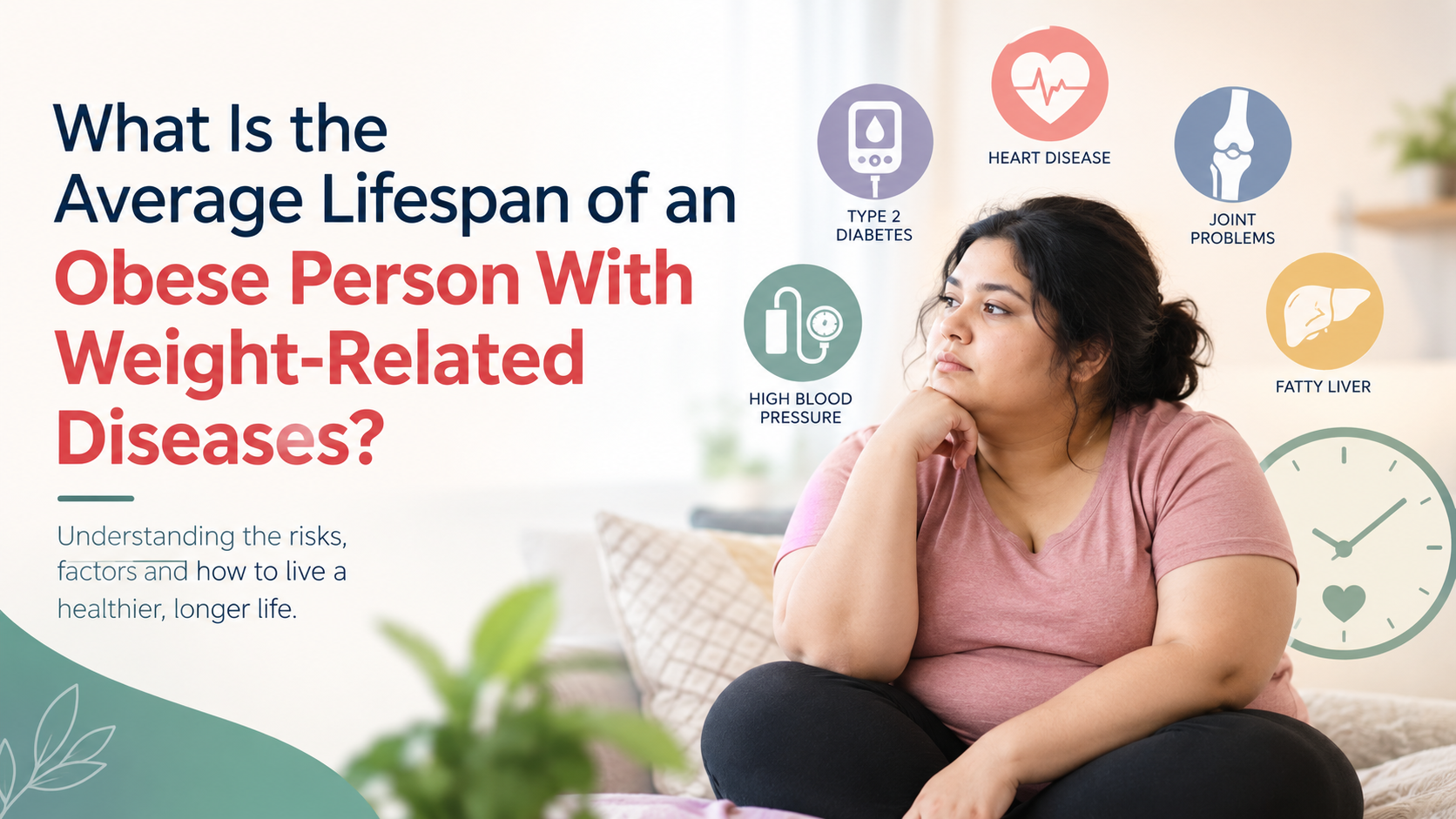
One of the most difficult questions people with obesity and related health problems may ask is, “How long will I live?”
It is an understandable concern. When obesity is accompanied by type 2 diabetes, high blood pressure, heart disease, fatty liver disease, sleep apnoea, or other complications, the worry can become even greater.
However, there is no single number that can accurately predict the lifespan of every person with obesity.
Obesity is associated with a higher risk of several chronic diseases and premature death, but individual risk depends on much more than body weight alone. Age, BMI, waist circumference, smoking, physical activity, blood pressure, blood sugar, cholesterol, existing heart or kidney disease, and how long obesity treatment in Delhi has been present can all influence long-term health.
The good news is that an increased risk is not the same as a fixed outcome. Treating obesity and managing associated diseases can improve health and may reduce the risk of serious complications.
The World Health Organization (WHO) identifies obesity as a major risk factor for cardiovascular disease, type 2 diabetes, osteoarthritis and several cancers. The risk generally increases as excess body weight becomes more severe.
This article explains what research tells us about obesity and life expectancy, which weight-related diseases matter most, and when seeking professional obesity treatment may be important.
Is There an Average Lifespan for an Obese Person?
There is no medically reliable “average lifespan” that applies to every person with obesity.
This is an important distinction. A person with mild obesity who has normal blood pressure, healthy blood sugar and no major complications may have a very different long-term risk profile from someone with severe obesity, uncontrolled diabetes, hypertension and cardiovascular disease.
Large population studies have consistently found that the risk of premature death rises with increasing levels of obesity, particularly at higher BMI levels. However, these studies describe risk across populations rather than predicting the exact age at which an individual patient will die.
One large individual-participant-data meta-analysis involving millions of people found that mortality risk increased across higher BMI ranges, after researchers restricted the analysis to never-smokers without pre-existing disease at recruitment and excluded the first five years of follow-up.
Older research has estimated that moderate obesity may reduce life expectancy by several years, while severe obesity can be associated with a considerably greater reduction. These figures should be viewed as population estimates rather than a personal prediction.
For someone already living with obesity-related diseases, the more useful question is not simply, “How many years do I have left?”
A better question is:
“What is increasing my health risk, and what can we do now to reduce it?”
That shift in focus can make a meaningful difference.
How Does Obesity Affect Life Expectancy?
Obesity can affect longevity through several pathways.
Excess body fat is not simply stored energy. Adipose tissue is metabolically active and can contribute to inflammation, insulin resistance and other metabolic changes. Over time, these changes can increase the likelihood of chronic disease.
According to WHO, obesity is associated with cardiovascular diseases such as heart disease and stroke, type 2 diabetes and its complications, musculoskeletal disorders, and several types of cancer.
Cardiovascular disease
Heart disease and stroke are among the most important causes of premature death associated with obesity.
Obesity can contribute to high blood pressure, abnormal cholesterol levels, insulin resistance and other metabolic abnormalities. When several of these occur together, cardiovascular risk can rise considerably.
Type 2 diabetes
Obesity is strongly associated with insulin resistance and type 2 diabetes.
Long-standing uncontrolled diabetes can damage blood vessels and organs, increasing the risk of heart disease, stroke, kidney disease, nerve damage and vision problems.
The combination of obesity and poorly controlled diabetes therefore deserves early medical attention rather than being treated as a simple weight issue.
High blood pressure
High blood pressure often causes no obvious symptoms. This is one reason patients sometimes ignore it.
Persistent hypertension places additional strain on the heart and blood vessels and can contribute to heart attack, stroke, kidney disease and other complications.
Obstructive sleep apnoea
Obesity increases the likelihood of obstructive sleep apnoea, a condition in which breathing repeatedly becomes interrupted during sleep.
Loud snoring, witnessed pauses in breathing, morning headaches, daytime sleepiness and poor concentration can be warning signs.
Untreated sleep apnoea can contribute to cardiovascular and metabolic problems.
Fatty liver disease
Excess body weight, insulin resistance and metabolic dysfunction are closely linked with fatty liver disease.
Some patients have few or no symptoms in the early stages. In certain individuals, however, fatty liver disease can progress to inflammation, fibrosis and more serious liver disease.
Certain cancers
Obesity has also been associated with an increased risk of several cancers. The International Agency for Research on Cancer has reported that metabolically unhealthy overweight or obesity is associated with higher risks of several obesity-related cancers.
This does not mean that every person with obesity will develop cancer. It means that excess adiposity is one of several risk factors that should be taken seriously.
Which Weight-Related Diseases Can Shorten Life Expectancy?
The impact of obesity becomes particularly concerning when multiple chronic conditions occur together.
Some of the important obesity-related conditions include:
- Type 2 diabetes
- High blood pressure
- Coronary artery disease
- Heart failure
- Stroke
- Obstructive sleep apnoea
- Fatty liver disease
- Abnormal cholesterol and triglyceride levels
- Chronic kidney disease
- Certain cancers
- Osteoarthritis and mobility-limiting joint disease
Having more than one of these conditions can increase the overall burden on the body.
For example, a person with obesity, diabetes, hypertension and sleep apnoea may have a substantially different risk profile from someone with obesity alone.
That is why a good obesity assessment should look beyond the weighing scale.
What Factors Influence Life Expectancy in a Person With Obesity?
Several factors can affect an individual’s long-term outlook.
1. Degree of obesity
BMI is commonly used to classify obesity, although it does not provide a complete picture of health. Waist circumference, body composition and metabolic health can also be relevant.
2. Age
The age at which obesity and related diseases develop matters. Long-term exposure to obesity and metabolic disease can increase cumulative health risks.
3. Duration of obesity
Someone who has had severe obesity for many years may have a different risk profile from someone who has recently gained weight.
4. Diabetes control
Blood glucose management is particularly important. Persistent high blood sugar can gradually damage blood vessels and organs.
5. Blood pressure and cholesterol
Uncontrolled hypertension and abnormal cholesterol can significantly increase cardiovascular risk.
6. Smoking
Smoking can compound the cardiovascular and cancer risks associated with obesity.
7. Physical activity
Regular physical activity supports cardiovascular health, insulin sensitivity, mobility and overall fitness, even when substantial weight loss is difficult.
8. Sleep health
Untreated sleep apnoea and inadequate sleep can affect blood pressure, glucose metabolism and daytime functioning.
9. Access to appropriate treatment
Early diagnosis and appropriate treatment can help address obesity and its complications before they progress.
This is one reason patients should not wait until their weight becomes extremely high or symptoms become severe before seeking help.
What Symptoms Should an Obese Person Not Ignore?
Obesity itself may not produce a specific symptom. In fact, many people can have significant metabolic problems while feeling relatively well.
However, certain symptoms deserve medical evaluation.
These include:
- Breathlessness with routine activity
- Chest pain or pressure
- Persistent or severe fatigue
- Loud snoring with pauses in breathing
- Excessive daytime sleepiness
- Frequent urination or excessive thirst
- Persistent swelling of the legs
- Reduced exercise tolerance
- Unexplained abdominal discomfort
- Persistent joint pain that limits movement
- Repeatedly elevated blood pressure or blood sugar readings
Patients commonly ignore symptoms such as snoring, fatigue or breathlessness because they assume these are simply consequences of being overweight.
That can be a mistake.
For example, loud snoring accompanied by daytime sleepiness may indicate obstructive sleep apnoea, while breathlessness or reduced exercise tolerance may require cardiovascular assessment.
How Is Health Risk Assessed in a Person With Obesity?
A comprehensive assessment usually begins with a detailed medical history and physical examination.
Depending on the individual, a doctor may evaluate:
Body measurements
BMI, waist circumference and changes in weight over time can help establish the severity and pattern of obesity.
Blood pressure
Repeated blood pressure measurements can identify hypertension.
Blood tests
Depending on the patient’s history, tests may include:
- Fasting blood glucose
- HbA1c
- Lipid profile
- Liver function tests
- Kidney function tests
- Other investigations based on symptoms and medical history
Sleep assessment
Patients with loud snoring, witnessed breathing pauses or excessive daytime sleepiness may need evaluation for obstructive sleep apnoea.
Cardiovascular assessment
Patients with symptoms or significant risk factors may require additional cardiac evaluation.
Review of medications and lifestyle
Some medications, dietary patterns, alcohol intake, physical inactivity, sleep problems and other factors can influence weight and metabolic health.
The goal is not simply to calculate BMI. The goal is to understand the patient’s overall health risk and identify treatable problems.
Can Obesity Treatment Improve Life Expectancy?
Potentially, yes.
The objective of obesity treatment is not simply to make a person thinner. Effective treatment aims to reduce health risks, improve metabolic health, increase mobility and improve quality of life.
Treatment should be individualised according to the person’s BMI, medical conditions, previous attempts at weight management, medications, lifestyle, age and overall health.
Lifestyle-based treatment
Lifestyle changes remain an important part of obesity management.
These may include:
- A balanced, calorie-appropriate diet
- Adequate protein and fibre intake
- Regular physical activity
- Strength training where appropriate
- Better sleep habits
- Limiting highly processed foods and sugar-sweetened beverages
- Reducing prolonged sitting
- Regular follow-up with a healthcare professional
Lifestyle changes are not a matter of willpower alone. Obesity is a complex chronic disease influenced by biological, environmental, behavioural and genetic factors.
Prescription weight-loss medications
For selected patients, anti-obesity medications may be considered alongside lifestyle intervention.
The choice depends on medical history, existing diseases, contraindications, side effects, cost and treatment goals.
Medication should be prescribed and monitored by an appropriately qualified doctor rather than taken solely on the basis of online advice.
Bariatric or metabolic surgery
For people with severe obesity or obesity accompanied by significant metabolic disease, bariatric surgery may be an appropriate treatment option after proper evaluation.
Current international ASMBS/IFSO guidance recommends metabolic and bariatric surgery for people with BMI above 35 kg/m² regardless of comorbidities and recommends considering it in selected people with metabolic disease and BMI 30–34.9 kg/m². The guidance also discusses lower BMI thresholds for Asian populations because metabolic risk can occur at lower BMI levels.
Importantly, surgery is not a shortcut or a cosmetic procedure. It is a medical treatment that requires careful patient selection, preparation and long-term follow-up.
Does Bariatric Surgery Increase Life Expectancy?
Research suggests that bariatric surgery can improve long-term survival in appropriately selected patients with obesity.
The long-running Swedish Obese Subjects study followed patients for more than two decades. In that study, mortality was lower among patients who underwent bariatric surgery than among those receiving usual obesity care. Adjusted median life expectancy was approximately three years longer in the surgery group than in the usual-care group.
The study also found that cardiovascular and cancer mortality were lower in the surgery group compared with usual care.
However, these findings should not be interpreted as a guarantee that surgery will add a specific number of years to every patient’s life.
Outcomes vary according to age, health status, procedure, adherence to follow-up and other individual factors.
For Indian patients, this is particularly important because metabolic risk can occur at lower BMI levels in Asian populations. Treatment decisions should therefore consider the complete clinical picture rather than BMI alone.
When Should You See a Doctor for Obesity?
You should consider a medical evaluation if:
- Your weight has been increasing steadily.
- You have diabetes or prediabetes.
- Your blood pressure is high.
- You have high cholesterol or triglycerides.
- You snore loudly or stop breathing during sleep.
- You experience breathlessness or reduced exercise tolerance.
- Joint pain is limiting everyday activities.
- You have fatty liver disease.
- Previous attempts at weight loss have not produced sustainable results.
- Obesity is affecting your work, mobility, sleep or quality of life.
You do not need to wait until obesity becomes severe before seeking professional advice.
Early assessment can identify conditions such as diabetes, hypertension and sleep apnoea that may otherwise remain undiagnosed.
How Can You Reduce the Health Risks of Obesity?
There is no single strategy that works for everyone, but several practical steps can reduce health risks.
Monitor your metabolic health
Regularly check blood pressure, blood sugar and cholesterol when advised by your doctor.
Stay physically active
Choose activities you can maintain safely. Walking, cycling, swimming and strength exercises may all be useful depending on your physical condition.
If joint pain or severe obesity makes exercise difficult, discuss safe options with a healthcare professional.
Improve food quality
Focus on balanced meals containing vegetables, fruits, whole grains, adequate protein and healthy fats. Portion size also matters.
Treat associated diseases
Do not focus exclusively on weight. Diabetes, hypertension, high cholesterol, sleep apnoea and other conditions need appropriate treatment.
Prioritise sleep
Poor sleep can make weight management more difficult and may worsen metabolic health. If you have symptoms of sleep apnoea, seek evaluation.
Avoid tobacco
Stopping smoking is one of the most important steps for reducing cardiovascular and cancer risk.
Seek structured obesity care
If lifestyle measures alone have not produced adequate or lasting results, discuss evidence-based treatment options with a doctor.
What Is the Role of Obesity Treatment in Delhi?
For patients looking for Obesity Treatment in Delhi, the first step should be a comprehensive medical assessment rather than choosing a treatment based solely on the amount of weight that needs to be lost.
A structured obesity programme may involve a bariatric surgeon, physician, dietitian, psychologist or other specialists depending on the patient’s needs.
The appropriate treatment could range from structured lifestyle intervention and medical therapy to metabolic or bariatric surgery for selected patients.
The right option depends on the patient’s individual health profile.
FAQs
What is the average lifespan of an obese person?
There is no single average lifespan that applies to everyone with obesity. Life expectancy depends on factors such as age, severity and duration of obesity, smoking, diabetes, cardiovascular disease, blood pressure and other health conditions.
Can obesity shorten your life expectancy?
Yes. Obesity is associated with an increased risk of premature death, particularly when it is severe or accompanied by conditions such as diabetes, cardiovascular disease and hypertension. However, individual outcomes vary considerably.
How many years can obesity reduce life expectancy?
Research has reported different estimates depending on the severity of obesity and the population studied. Some studies have found reductions of several years, particularly with severe obesity. These are population-level estimates and should not be used to predict an individual’s lifespan.
Does diabetes make obesity more dangerous?
Obesity and type 2 diabetes can occur together and increase the risk of cardiovascular, kidney, nerve and other complications. Good control of blood sugar, blood pressure and cholesterol is important.
Can losing weight increase life expectancy?
Meaningful and sustained weight loss can improve several obesity-related health conditions and risk factors. In appropriately selected patients, bariatric surgery has also been associated with lower long-term mortality and longer life expectancy compared with usual obesity care.
Is bariatric surgery only for extremely obese people?
Not necessarily. Current ASMBS/IFSO recommendations have expanded the indications for metabolic and bariatric surgery, including selected patients with lower BMI and metabolic disease. Asian populations may also require lower BMI thresholds because metabolic complications can occur at lower BMI levels.
Can obesity-related diseases be reversed?
Some obesity-related conditions can improve substantially with effective weight management. For example, blood sugar, blood pressure, sleep apnoea and fatty liver disease may improve following appropriate treatment. The extent of improvement varies from person to person.
When should I see a bariatric surgeon?
Consider consulting a bariatric surgeon if you have significant obesity, obesity-related diseases, difficulty achieving sustainable weight loss through conventional methods, or concerns about whether medical or surgical treatment may be appropriate.
Conclusion
So, what is the average lifespan of an obese person with weight-related diseases?
There is no responsible way to give one number.
Obesity can increase the risk of premature death, but your diagnosis does not determine your future on its own. The severity of obesity, duration of the condition, diabetes, blood pressure, cardiovascular health, sleep apnoea, liver health, lifestyle and access to effective treatment all influence long-term outcomes.
The encouraging part is that many of these risks can be addressed.
If you are living with obesity and conditions such as diabetes, hypertension, sleep apnoea or fatty liver disease, do not wait for symptoms to become severe. A comprehensive assessment can help identify your individual risk and determine whether lifestyle treatment, medication, structured weight management or bariatric surgery is appropriate.
For patients considering Obesity Treatment in Delhi, speaking with an experienced obesity or bariatric specialist can help you understand your options based on your health rather than a generic weight-loss target.
Medical disclaimer: This article is intended for general educational purposes and does not replace an individual consultation, diagnosis or treatment plan. Life expectancy cannot be predicted accurately from BMI or obesity alone. Patients with obesity-related medical conditions should seek personalised medical advice.

Leave a Reply