
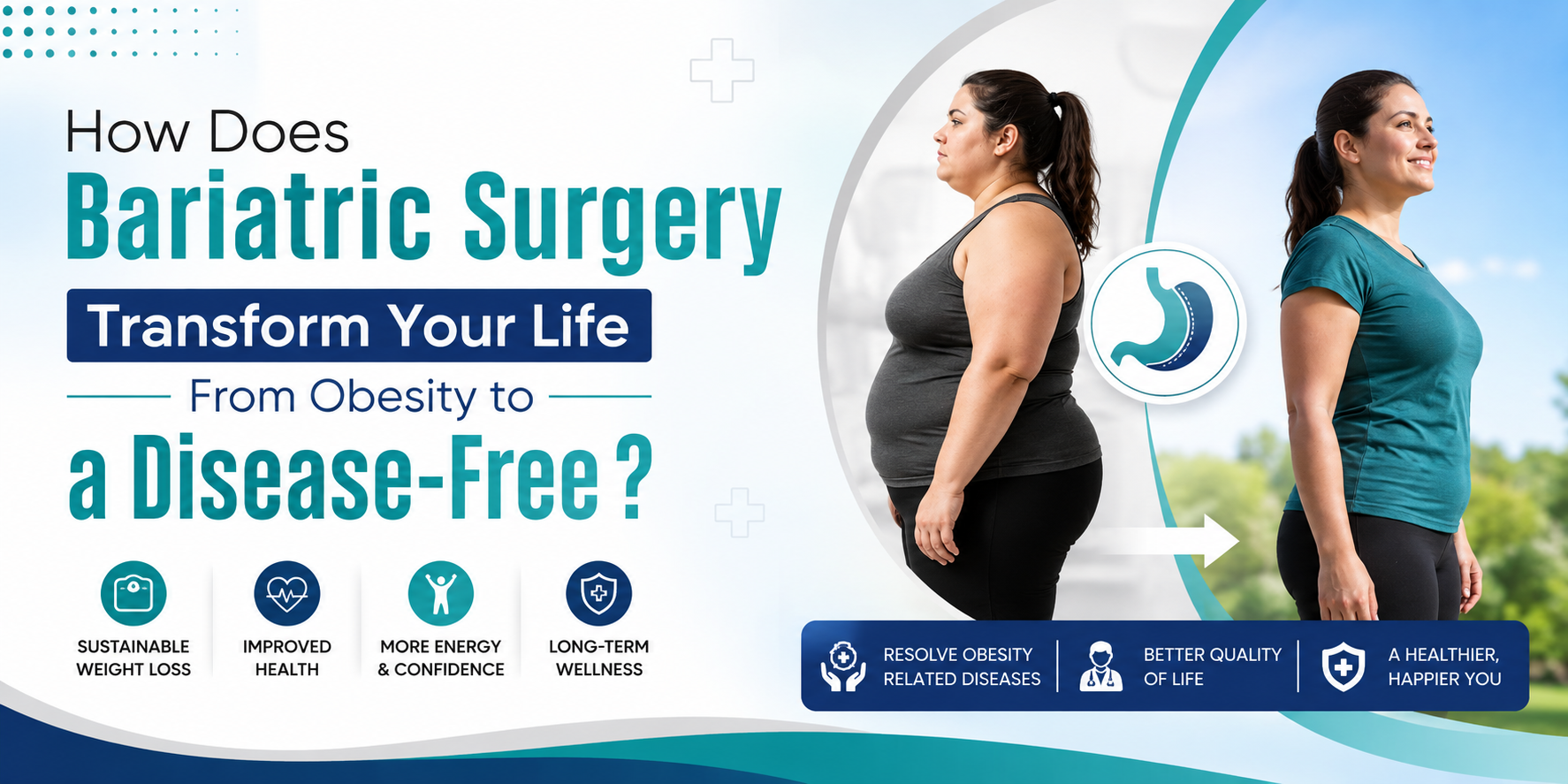
For someone living with obesity, the problem is rarely limited to the number on the weighing scale.
It may be waking up tired despite sleeping for eight hours. It may be struggling to climb a flight of stairs, living with knee or back pain, taking medicines for diabetes or blood pressure, or avoiding social situations because of concerns about appearance and mobility.
Many patients also experience something less visible: the frustration of trying repeatedly to lose weight and then regaining it.
This is where bariatric surgery can become more than a weight-loss procedure. For appropriately selected patients, metabolic and bariatric surgery can help address obesity itself and several conditions associated with it.
Research has shown that bariatric surgery can produce substantially greater long-term weight loss than medical and lifestyle treatment in selected patients. It can also improve blood sugar control and increase the likelihood of type 2 diabetes remission.
But it is important to use the right language. Bariatric surgery does not guarantee a “disease-free” life, and it is not a shortcut that eliminates the need for healthy habits. The real goal is more meaningful: to reduce the health burden of obesity and help a patient live a healthier, more active and sustainable life.
What is bariatric surgery?
Bariatric surgery, also called metabolic and bariatric surgery, is a group of surgical procedures designed to help people with obesity achieve significant and sustained weight loss.
The commonly performed procedures include:
- Sleeve gastrectomy: A large portion of the stomach is removed, leaving a smaller stomach.
- Roux-en-Y gastric bypass: A smaller stomach pouch is created and connected to the small intestine, changing both food intake and nutrient flow.
- Other procedures: In selected patients, other operations may be considered depending on BMI, medical conditions, previous surgery and individual health needs.
The effects go beyond simply making the stomach smaller.
Changes in appetite-regulating hormones, gut signalling, insulin sensitivity and eating behaviour can contribute to weight loss and metabolic improvements. This is one reason these operations are often described as metabolic surgery, rather than simply weight-loss surgery.
Why obesity can affect almost every part of your health
Obesity is a chronic disease that can influence multiple organs and body systems.
Excess body fat, particularly visceral fat around the abdominal organs, is associated with metabolic abnormalities and inflammation. Over time, this can increase the risk of conditions such as:
- Type 2 diabetes
- High blood pressure
- Abnormal cholesterol and triglyceride levels
- Fatty liver disease
- Obstructive sleep apnoea
- Heart disease
- Osteoarthritis and joint problems
- Gastroesophageal reflux in some patients
- Reduced mobility
- Fertility and reproductive problems in some individuals
- Certain obesity-associated cancers
The important point is that these conditions are interconnected.
For example, excess weight can worsen insulin resistance. Insulin resistance can contribute to type 2 diabetes. Diabetes and obesity can coexist with high blood pressure and abnormal cholesterol, increasing cardiovascular risk.
Therefore, treating obesity can potentially influence several problems at the same time.
How bariatric surgery can transform your health
1. Significant weight loss can improve everyday mobility
One of the earliest changes many patients notice is not necessarily a laboratory report. It is what they can do physically.
Walking becomes easier. Climbing stairs may require less effort. Sitting comfortably can become easier. Some patients find that they can return to activities they had gradually stopped doing.
Weight reduction also decreases the mechanical load placed on weight-bearing joints.
This can be particularly important for people dealing with obesity-related knee, hip or back problems.
However, the degree of improvement varies. Existing joint damage does not automatically disappear after weight loss, and some patients may still need orthopaedic care or physiotherapy.
2. Blood sugar may improve dramatically
Type 2 diabetes is one of the most important metabolic conditions associated with obesity.
Bariatric surgery can improve insulin sensitivity and blood glucose control. In some patients, diabetes may enter remission, meaning blood glucose remains below defined diagnostic thresholds without diabetes medication for a specified period.
That does not mean diabetes can never return.
Long-term studies show that some people maintain remission while others experience recurrence, particularly when diabetes has been present for many years or significant weight regain occurs.
A 2024 NIH-supported long-term study found that patients who underwent bariatric surgery had better glucose control, greater weight loss and higher diabetes-remission rates than those receiving medical and lifestyle management during follow-up extending to 12 years.
This is one reason early evaluation can matter.
Patients sometimes wait until they are taking several diabetes medicines or insulin before considering obesity treatment. In suitable patients, treating obesity earlier may offer a better opportunity to improve metabolic health.
3. Blood pressure may improve
Weight loss can reduce the workload on the cardiovascular system.
As body weight decreases, blood pressure may improve, and some patients may eventually need fewer antihypertensive medicines.
But medication should never be stopped independently.
Blood pressure needs to be monitored regularly, and any change in medication should be made by the treating doctor.
4. Cholesterol and triglycerides can improve
Obesity is frequently associated with an unhealthy lipid profile, including high triglycerides and low HDL cholesterol.
Weight loss and metabolic improvements after bariatric surgery can positively influence these parameters.
This matters because cardiovascular health is not determined by weight alone. Blood pressure, blood glucose, cholesterol, smoking status, physical activity and other factors all contribute to overall cardiovascular risk.
5. Sleep apnoea may become easier to manage
Loud snoring, choking or gasping during sleep, morning headaches and excessive daytime sleepiness can sometimes be signs of obstructive sleep apnoea.
Obesity is an important risk factor.
Weight loss may reduce the severity of sleep-disordered breathing in many patients. Some people may require less treatment over time, although this should be confirmed with appropriate medical assessment rather than assumed based on weight loss alone.
If you have been prescribed CPAP, do not stop using it without discussing it with your doctor.
6. Fatty liver disease may improve
Metabolic dysfunction-associated steatotic liver disease (MASLD), commonly known as fatty liver disease, frequently occurs alongside obesity, insulin resistance and type 2 diabetes.
Weight reduction can reduce liver fat and improve several metabolic markers.
For patients with significant obesity and metabolic disease, treating the underlying obesity can therefore be an important part of long-term liver health.
7. Physical activity can become more achievable
This is an often-overlooked benefit.
A person who could previously walk for only 10 minutes may gradually become capable of walking for 20, 30 or 45 minutes.
That creates a positive cycle:
Weight loss → easier movement → increased activity → improved fitness → better long-term weight management.
The surgery itself does not create this cycle. The patient’s participation in nutrition, exercise and follow-up helps make the change sustainable.
The psychological and social transformation
Obesity can affect more than physical health.
Some people stop travelling because they are uncomfortable in airplane seats. Others avoid photographs, social gatherings, swimming, shopping or physical activities.
Some experience stigma or feel judged because of their weight.
When weight decreases and mobility improves, confidence may improve as well. Patients may feel more comfortable participating in activities they previously avoided.
However, it is important not to assume that surgery automatically resolves emotional or psychological concerns.
Body image, emotional eating, anxiety, depression and unhealthy relationships with food may need separate attention. A multidisciplinary bariatric team can help address these issues when appropriate.
When patients commonly ignore the warning signs
Someone else may accept knee pain as a normal consequence of getting older.
These symptoms should not automatically be blamed on obesity or age.
Persistent snoring, excessive daytime sleepiness, uncontrolled blood pressure, increasing blood sugar, fatty liver, breathlessness, reduced exercise tolerance or worsening joint pain deserve proper medical evaluation.
The earlier obesity and its associated diseases are assessed, the more opportunities there may be to prevent complications from progressing.
Who may benefit from bariatric surgery?
Bariatric surgery is not appropriate for everyone who wants to lose weight.
Eligibility depends on factors such as:
- BMI and degree of obesity
- Obesity-related medical conditions
- Previous attempts at structured weight management
- Overall health and surgical risk
- Nutritional status
- Psychological readiness
- Ability to participate in long-term follow-up
- Understanding of the procedure, benefits and risks
Current clinical decision-making is increasingly based on overall metabolic health rather than weight alone.
For an Indian patient, BMI thresholds and treatment decisions should also be interpreted in the context of Asian Indian metabolic risk, which can occur at lower BMI levels than in some other populations.
A bariatric surgeon should assess the individual rather than applying a one-size-fits-all formula.
What happens before bariatric surgery?
Good bariatric care begins well before the operation.
A typical evaluation may include:
Medical assessment
The doctor reviews your:
- Weight and BMI
- Blood pressure
- Diabetes status
- Liver health
- Cholesterol
- Current medications
- Previous weight-loss attempts
- Previous surgeries
- Other obesity-related conditions
Nutritional assessment
A dietitian may evaluate your eating pattern, protein intake, nutritional deficiencies and readiness for postoperative dietary changes.
Psychological assessment
Eating behaviour, emotional health and expectations are important parts of preparation.
Anaesthesia and surgical assessment
Your general fitness and individual surgical risks are evaluated before the procedure.
This preparation is not bureaucracy. It helps make the operation safer and improves the chances of long-term success.
What is recovery like after bariatric surgery?
Recovery differs according to the procedure and the individual.
In the early period, the diet usually progresses gradually from liquids to other textures according to the surgical team’s protocol.
Over time, patients need to learn new eating habits.
Some important long-term principles include:
- Eat slowly.
- Follow portion guidance.
- Prioritise protein as advised.
- Drink adequate fluids.
- Avoid unnecessary high-calorie drinks.
- Take prescribed vitamin and mineral supplements.
- Attend scheduled follow-up appointments.
- Gradually increase physical activity.
- Monitor blood tests as recommended.
The operation changes the anatomy and physiology. Long-term habits determine how well those changes translate into everyday health.
Can obesity-related diseases come back?
Yes.
This is an important conversation that should happen before surgery.
Bariatric surgery can produce substantial health improvements, but it is not a permanent guarantee against weight regain or recurrence of obesity-related disease.
Some patients regain part of the lost weight. Diabetes can recur. Nutritional deficiencies can develop if supplements and monitoring are neglected.
Long-term research also shows that diabetes remission is not always permanent. In one 10-year study, some patients experienced recurrence after initial remission.
This is why lifelong follow-up matters.
A good surgical outcome should not be judged only by the number of kilograms lost during the first year.
The bigger question is:
Is the patient healthier, more functional and better able to manage their weight and metabolic health over the long term?
Bariatric surgery is not a shortcut
It is understandable that patients sometimes view surgery as a final solution after years of unsuccessful dieting.
But successful bariatric treatment is better understood as a long-term partnership between the patient and the healthcare team.
The operation can help change appetite, food intake, metabolism and weight trajectory. It cannot replace nutritious food, physical activity, sleep, mental-health support or medical follow-up.
Patients who approach surgery with realistic expectations tend to be better prepared for the changes involved.
How to maintain your health after surgery
Follow your nutrition plan
Your stomach capacity is smaller, but nutritional needs remain important.
Protein, hydration, vitamins and minerals need ongoing attention.
Keep your follow-up appointments
Follow-up helps monitor:
- Weight trajectory
- Blood sugar
- Blood pressure
- Nutritional deficiencies
- Anaemia
- Vitamin levels
- Bone health where appropriate
- Medication requirements
Stay physically active
Exercise does not need to begin with an intense gym programme.
Walking, strength training, cycling, swimming and other suitable activities can be introduced progressively depending on your health and doctor’s advice.
Pay attention to emotional eating
If stress, boredom or emotional distress leads to eating, simply having a smaller stomach may not solve the underlying issue.
Behavioural and psychological support can be valuable.
Treat surgery as the beginning, not the end
The procedure may be the turning point, but health transformation happens over months and years.
When should you see a bariatric surgeon?
Consider discussing your options with a qualified bariatric surgeon if obesity is affecting your health or daily life and conventional weight-management approaches have not provided adequate or sustainable results.
You should especially seek medical assessment if obesity is accompanied by:
- Type 2 diabetes
- High blood pressure
- Sleep apnoea
- Fatty liver disease
- Significant joint pain
- Difficulty performing everyday activities
- High cholesterol
- Breathlessness or reduced exercise tolerance
A consultation does not automatically mean you need surgery.
The purpose of an evaluation is to understand your health, discuss all appropriate options and determine whether metabolic bariatric surgery is suitable for you.
Frequently Asked Questions
1. Can bariatric surgery completely cure obesity?
Bariatric surgery can lead to substantial and sustained weight loss and improve many obesity-related health conditions. However, obesity is a chronic disease, and surgery should not be considered a guaranteed permanent cure. Long-term follow-up and healthy lifestyle habits remain important.
2. Can bariatric surgery reverse type 2 diabetes?
It can lead to remission of type 2 diabetes in some people with obesity. The likelihood depends on factors such as the duration and severity of diabetes, pancreatic function, medications and weight-loss response. Diabetes can also return in some patients, so ongoing monitoring is necessary.
3. Will I have to take medicines after bariatric surgery?
Some patients need fewer medicines after surgery, particularly for diabetes or high blood pressure. However, this varies between individuals. Medicines should only be reduced or stopped under medical supervision.
4. Is bariatric surgery only for people who want to lose weight?
No. Bariatric surgery is also metabolic treatment. Its potential benefits include improvement of obesity-associated conditions such as type 2 diabetes, hypertension and sleep apnoea.
5. Will I regain weight after bariatric surgery?
Some degree of weight regain can occur. It does not automatically mean that surgery has failed. However, significant or progressive weight regain should be discussed with your bariatric team because dietary, behavioural, medical or surgical factors may need attention.
6. How long do the benefits of bariatric surgery last?
Many benefits can persist for years, particularly when patients maintain follow-up and healthy habits. Long-term studies have demonstrated sustained improvements in weight and glucose control in selected patients.
7. Is bariatric surgery safe?
Like any major operation, bariatric surgery carries potential risks and complications. The individual risk depends on the procedure, health conditions, nutritional status and surgical factors. A proper preoperative evaluation is essential.
8. Can I live a normal life after bariatric surgery?
Yes, many patients return to active daily lives after recovery. However, “normal” after surgery includes new eating habits, supplementation when prescribed, physical activity and periodic medical monitoring.
Conclusion
The most meaningful transformation after bariatric surgery is not simply going from a higher number on the weighing scale to a lower one.
It is being able to move more freely.
It is potentially needing fewer medicines.
It is improving blood sugar, blood pressure and other metabolic risk factors.
It may mean sleeping better, walking farther, participating more actively in family life and feeling more in control of your health.
For some patients, these changes can be life-changing.
But bariatric surgery should never be presented as a miracle cure or a guarantee of becoming “disease-free.” The right procedure, careful patient selection, experienced surgical care, nutritional support and long-term follow-up all matter.
If you are living with obesity and related health problems, a consultation with a qualified bariatric surgeon can help you understand whether Obesity Treatment in Delhi through medical, lifestyle, medication-based or surgical approaches is appropriate for you.
The goal is not simply to lose weight. The goal is to improve health and build a life that is easier to live and healthier to sustain.
Medical disclaimer: This article is for general educational purposes and should not replace an individual consultation with a qualified doctor. Bariatric surgery is not suitable for everyone. Treatment decisions should be based on a comprehensive medical assessment.

Leave a Reply