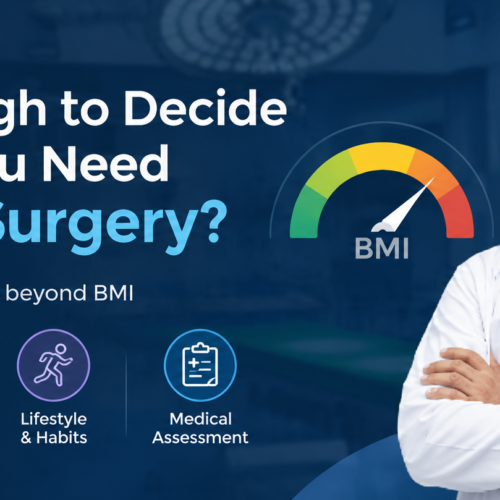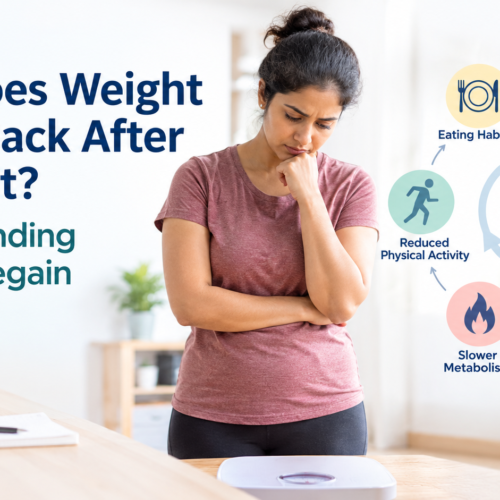

Bariatric surgery can be an important step for people struggling with obesity and weight-related health problems. But the operation itself is only one part of the journey. What you eat, how you eat, how active you become, and how regularly you attend follow-up appointments can all affect your recovery and long-term results. Many patients feel...
Author: Admin (Admin )
What Is the Average Lifespan of an Obese Person With Weight-Related Diseases?
One of the most difficult questions people with obesity and related health problems may ask is, “How long will I live?” It is an understandable concern. When obesity is accompanied by type 2 diabetes, high blood pressure, heart disease, fatty liver disease, sleep apnoea, or other complications, the worry can become even greater. However, there...
How Does Bariatric Surgery Transform Your Life From Obesity to a Disease-Free ?
For someone living with obesity, the problem is rarely limited to the number on the weighing scale. It may be waking up tired despite sleeping for eight hours. It may be struggling to climb a flight of stairs, living with knee or back pain, taking medicines for diabetes or blood pressure, or avoiding social situations...
Obesity and Snoring: Is This a Dangerous Sign?
Snoring is often dismissed as an annoying but harmless part of sleep. Many people assume that it is simply caused by being tired, sleeping on the back, or having a blocked nose. But when snoring is frequent, loud, or accompanied by pauses in breathing, gasping, choking, or excessive daytime sleepiness, it deserves more attention. This...
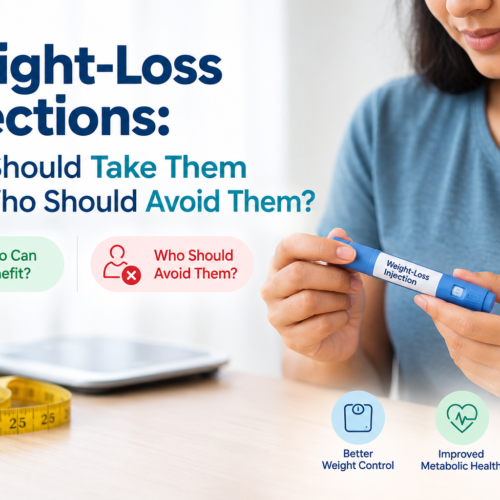
What Is the New Weight Loss Option with Mounjaro and Ozempic?
If you have been searching for newer options for weight loss, you have probably come across two names repeatedly: Mounjaro and Ozempic. Social media has made these medicines sound almost like quick fixes for obesity. The medical reality is more nuanced. These are prescription medicines that affect appetite, blood sugar regulation and digestion, and they...
Hernia and Obesity: Is There a Connection and What Should You Do?
Introduction A small bulge around the belly button or groin may not seem like a serious problem at first. Many people notice it while coughing, standing, lifting something heavy, or getting out of bed and simply decide to “watch it.” This is particularly common among people who are overweight or living with obesity. The bulge...
Obesity and Knee Joint Diseases: Understanding the Connection and Treatment Options
Knee pain is often dismissed as a normal part of getting older. But when knee discomfort begins to interfere with walking, climbing stairs, getting up from a chair, or enjoying everyday activities, it deserves proper attention. One important factor that can contribute to knee problems is excess body weight. Obesity does more than increase the...
Obesity and Snoring: Is This a Dangerous Sign?
Snoring is often treated as a harmless nuisance. A partner may complain about the noise, family members may joke about it, and many people simply accept it as part of getting older or gaining weight. But when snoring becomes loud, frequent, or is accompanied by pauses in breathing, choking, morning headaches, or excessive daytime sleepiness,...
Gallstones and Obesity: Is There a Connection?
Gallstones and obesity are more closely connected than many people realise. A person may initially notice only weight gain, abdominal heaviness or occasional indigestion and not think much of it. But obesity, particularly excess abdominal fat, can increase the likelihood of developing gallstones and experiencing gallstone-related problems. The connection can become especially important when someone...
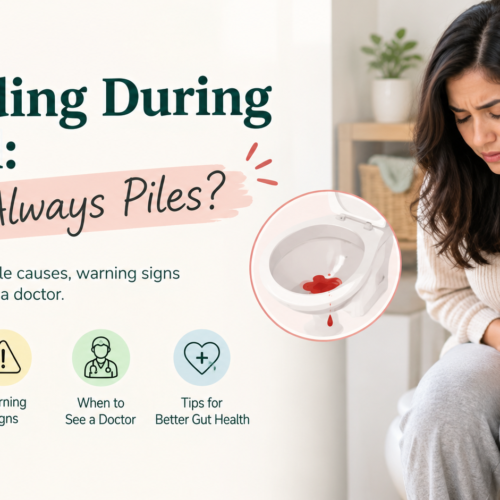
Does Piles Have to Be Operated? Is There an Alternative?
Seeing blood after passing stool or feeling a painful lump around the anus can be worrying. For many people, the first thought is: “Will I need piles surgery?” The good news is that not every case of piles (haemorrhoids) requires an operation. Treatment depends on several factors, including the type of piles, their grade, how...