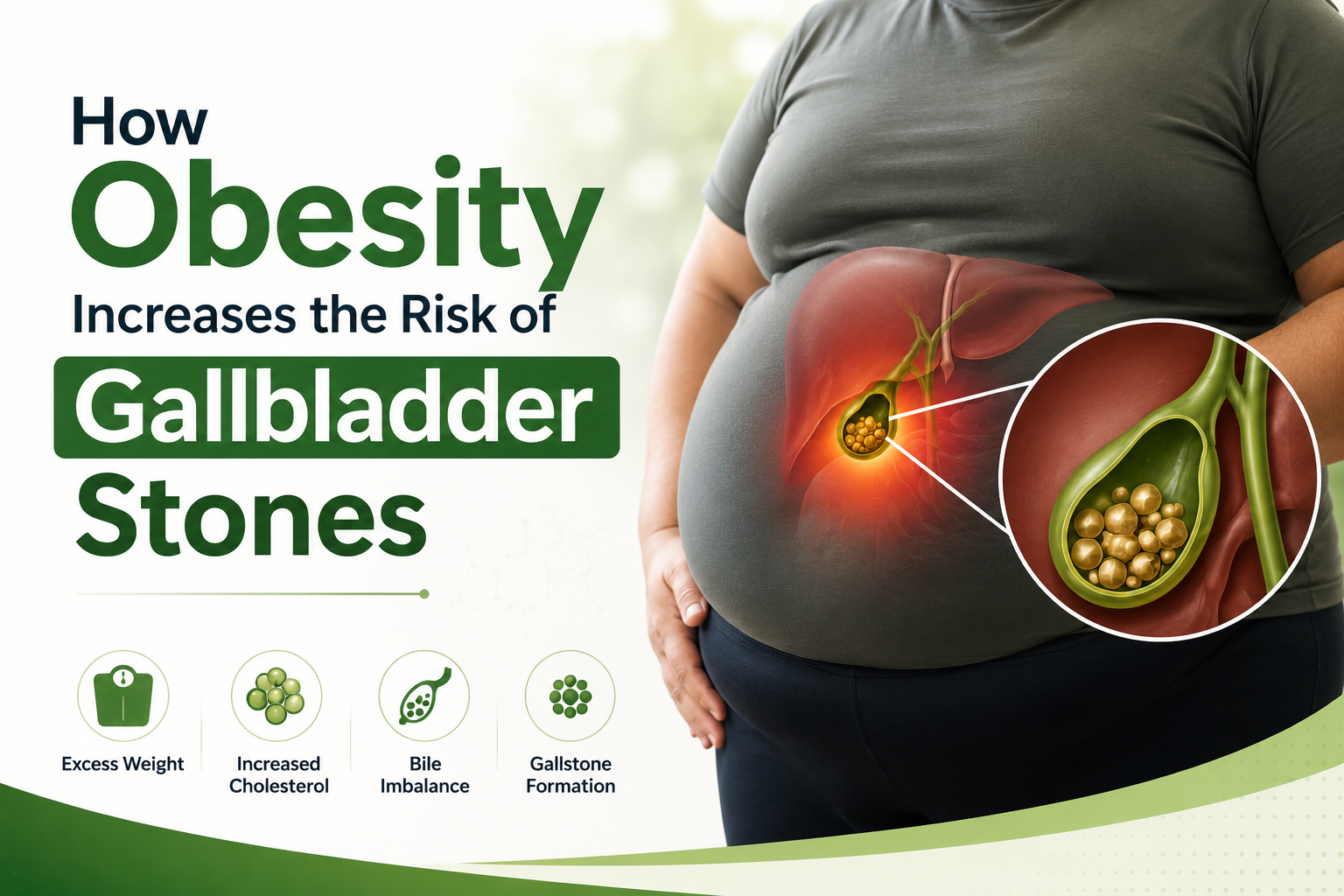
Obesity is more than excess body weight. It increases the risk of several metabolic disorders and digestive diseases, including gallbladder stones. Many people are unaware of this connection until they experience sudden pain in the upper abdomen. In clinical practice, bariatric specialists often observe that patients focus on visible weight gain while silent complications develop inside the body. Understanding how obesity affects the gallbladder is the first step toward preventing serious health issues.
What Are Gallbladder Stones?
Gallbladder stones, also known as gallstones, are hardened deposits that develop inside the gallbladder. They form when bile contains excessive cholesterol or bilirubin, causing solid crystals to develop over time.
Types of Gallbladder Stones
Cholesterol Gallstones
These are the most common type, accounting for nearly 80% of cases. They form due to excess cholesterol in the bile and are strongly associated with obesity.
Pigment Gallstones
These stones are primarily made of bilirubin and are often linked to liver disease, blood disorders, or infections.
How Obesity Increases the Risk of Gallbladder Stones
Obesity affects the normal function of the gallbladder and changes the composition of bile, making gallstone formation more likely.
Increased Cholesterol Production
Excess body fat causes the liver to produce more cholesterol. When too much cholesterol enters the bile, it begins to crystallize and eventually forms gallstones.
Poor Gallbladder Emptying
The gallbladder may not empty completely after meals in people with obesity. This allows bile to remain inside longer, increasing the likelihood of stone formation.
Insulin Resistance
Insulin resistance, commonly associated with obesity, alters fat metabolism and contributes to cholesterol imbalance in bile.
Fatty Liver Disease
Fat accumulation in the liver can affect bile production and further increase the risk of gallstones.
Chronic Inflammation
Obesity creates long-term, low-grade inflammation that can interfere with normal digestive processes and gallbladder function.
Risk Factors for Gallbladder Stones
Several factors can increase the likelihood of developing gallstones.
Lifestyle-Related Risk Factors
- Obesity
- Excess belly fat
- Sedentary lifestyle
- High-fat and high-sugar diet
Medical Risk Factors
- Type 2 diabetes
- Fatty liver disease
- High cholesterol
- Metabolic syndrome
Other Risk Factors
- Family history of gallstones
- Pregnancy
- Age above 40 years
- Rapid weight loss
Symptoms of Gallbladder Stones
Many people with gallstones experience no symptoms until a stone blocks the bile duct.
Common Symptoms
- Pain in the upper right abdomen
- Pain after eating fatty meals
- Nausea and vomiting
- Indigestion and bloating
- Pain that spreads to the back or right shoulder
Warning Signs That Require Immediate Medical Attention
- Fever with abdominal pain
- Yellowing of the skin or eyes (jaundice)
- Persistent vomiting
- Severe abdominal pain lasting several hours
Diagnosis of Gallbladder Stones
A healthcare provider will diagnose gallstones based on your symptoms, medical history, physical examination, and imaging tests.
Common Diagnostic Tests
- Abdominal ultrasound
- Liver function tests
- Blood investigations
- CT scan or MRI (if required)
- Endoscopic imaging in selected cases
Treatment Options
Treatment depends on whether the gallstones are causing symptoms or complications.
Observation
Silent gallstones that are not causing symptoms may only require regular monitoring.
Laparoscopic Gallbladder Surgery
For patients with painful or recurrent gallstones, laparoscopic cholecystectomy is considered the standard treatment.
Obesity Treatment in Delhi
Patients with obesity should also receive comprehensive weight management to reduce future health risks. Depending on individual needs, obesity treatment in Delhi may include:
- Personalised nutrition counselling
- Lifestyle modification
- Supervised exercise programs
- Weight-loss medications
- Bariatric surgery for eligible patients
When to See a Doctor
Consult a healthcare professional if you experience:
- Severe abdominal pain lasting more than a few hours
- Pain after eating fatty foods
- Repeated episodes of abdominal discomfort
- Fever or chills with abdominal pain
- Yellowing of the skin or eyes
- Persistent nausea or vomiting
Early diagnosis can help prevent serious complications such as gallbladder infection or blockage of the bile ducts.
Prevention Tips
Maintaining a healthy lifestyle can significantly reduce your risk of gallbladder stones.
Healthy Weight Management
Aim for gradual and sustainable weight loss rather than crash diets.
Follow a Balanced Diet
Choose fibre-rich foods, fruits, vegetables, whole grains, and lean proteins while limiting saturated fats and refined carbohydrates.
Stay Physically Active
Regular exercise helps improve metabolism and supports healthy gallbladder function.
Stay Hydrated
Drinking enough water supports healthy digestion and bile production.
Manage Existing Health Conditions
Proper control of diabetes, cholesterol, and fatty liver disease can help reduce the risk of gallstones.
Frequently Asked Questions (FAQs)
Can obesity cause gallstones?
Yes. Obesity significantly increases the risk of cholesterol gallstones by increasing cholesterol levels in bile and reducing gallbladder emptying.
Can losing weight prevent gallstones?
Gradual, medically supervised weight loss can reduce the risk. However, rapid weight loss through crash diets may temporarily increase gallstone formation.
Is bariatric surgery suitable for everyone?
No. Eligibility depends on your BMI, overall health, and evaluation by an experienced bariatric surgeon.
Are gallstones always painful?
No. Many gallstones remain symptom-free for years and are discovered during routine imaging tests.
Can gallstones return after surgery?
After the gallbladder is removed, gallstones generally do not recur because the organ where they form has been removed.
Conclusion
The relationship between obesity and gallbladder stones is well established. Excess body weight affects cholesterol metabolism, slows gallbladder function, and increases the likelihood of stone formation. Early recognition, healthy lifestyle changes, and timely medical care can reduce the risk of serious complications.
If you are struggling with obesity or have experienced repeated episodes of abdominal pain, consulting an experienced bariatric specialist can help you understand your treatment options. A personalised weight management plan or advanced obesity treatment, when clinically appropriate, can improve your overall health while lowering the risk of obesity-related conditions, including gallbladder stones.
Leave a Reply