
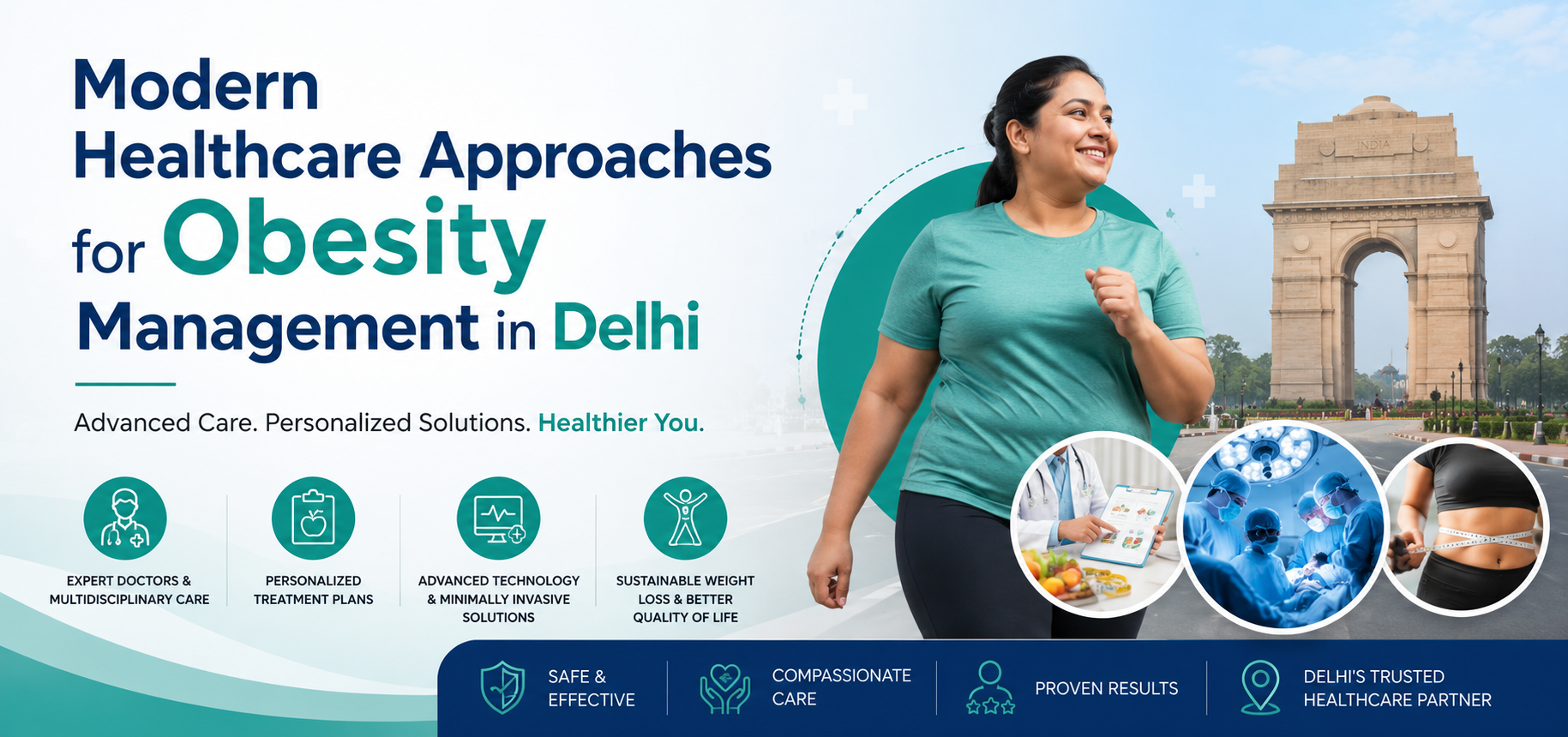
Weight gain is often dismissed as a lifestyle issue, but for many people, obesity becomes a long-term medical condition that affects daily life, confidence, mobility, and overall health. Patients frequently say things like, “I’ve tried dieting many times, but the weight always comes back,” or “I feel tired all the time despite eating less.”
The truth is, obesity is more complex than simply eating too much or exercising too little. Hormonal imbalances, genetics, stress, sleep patterns, metabolic disorders, medications, and modern sedentary lifestyles all contribute to unhealthy weight gain.
Over the last decade, obesity treatment in Delhi has evolved significantly. Instead of relying only on restrictive diets or temporary fitness plans, modern healthcare now uses evidence-based, personalized strategies that focus on long-term weight management and overall health improvement.
This article explains the latest approaches to obesity management, available treatment options, when medical intervention becomes necessary, and how patients obesity management in delhi can seek safe, medically guided care.
What Is Obesity?
Obesity is a chronic medical condition in which excess body fat negatively affects health. It is commonly measured using Body Mass Index (BMI), though doctors also consider waist circumference, body composition, metabolic health, and associated diseases.
For Indian patients, obesity-related risks may begin at lower BMI levels compared to Western populations. Even moderate weight gain can increase the risk of:
- Type 2 diabetes
- High blood pressure
- Fatty liver disease
- Sleep apnea
- Joint pain
- Heart disease
- Hormonal disorders
- Infertility
In clinical practice, many patients ignore early warning signs because weight gain develops gradually. Often, they seek help only after obesity starts affecting mobility, stamina, blood sugar levels, or mental wellbeing.
Understanding Obesity in the Indian Urban Lifestyle
Delhi’s fast-paced lifestyle plays a major role in rising obesity rates. Long office hours, limited physical activity, frequent ordering of processed foods, irregular sleep cycles, and stress eating have become common patterns.
Another overlooked issue is “central obesity” — excess fat around the abdomen. This type of fat is strongly associated with diabetes and cardiovascular disease in Indian adults.
Experienced obesity specialists often notice that patients are not simply “overeating.” Many struggle with:
- Emotional eating
- PCOS-related weight gain
- Thyroid disorders
- Weight regain after repeated dieting
- Sedentary desk jobs
- Lack of sleep
- Stress-related hormonal imbalance
This is why modern obesity treatment focuses on identifying the root cause rather than blaming the patient.
Causes and Risk Factors of Obesity
1. Unhealthy Eating Habits
Frequent intake of calorie-dense foods, sugary beverages, fried snacks, and processed meals contributes significantly to weight gain.
2. Sedentary Lifestyle
Limited physical activity is now one of the leading causes of obesity in metropolitan cities like Delhi.
3. Hormonal Disorders
Conditions such as hypothyroidism, PCOS, insulin resistance, and Cushing’s syndrome may contribute to obesity.
4. Genetic Factors
Some individuals have a genetic tendency to gain weight more easily.
5. Poor Sleep Patterns
Sleep deprivation can affect hunger hormones and increase cravings for high-calorie foods.
6. Psychological Factors
Stress, anxiety, depression, and emotional eating are commonly associated with obesity.
7. Medications
Certain medicines, including steroids and psychiatric medications, may contribute to weight gain.
Common Symptoms and Health Effects of Obesity
Obesity affects more than appearance. Many symptoms develop gradually and may initially seem unrelated.
Physical Symptoms
- Persistent fatigue
- Breathlessness during routine activity
- Knee or back pain
- Snoring and sleep disturbances
- Excessive sweating
- Reduced stamina
Metabolic and Medical Complications
- Diabetes
- Hypertension
- High cholesterol
- Fatty liver disease
- Gastroesophageal reflux
- Infertility
- Sleep apnea
Emotional and Psychological Impact
Many patients silently struggle with:
- Low confidence
- Social anxiety
- Body image concerns
- Depression
- Isolation
A compassionate and non-judgmental treatment approach is extremely important in obesity care.
How Is Obesity Diagnosed?
Modern obesity diagnosis goes beyond checking body weight.
Clinical Assessment
Doctors evaluate:
- BMI
- Waist circumference
- Eating habits
- Lifestyle patterns
- Family history
- Existing medical conditions
Blood Tests
These may include:
- Blood sugar levels
- Thyroid profile
- Lipid profile
- Liver function tests
- Hormonal evaluation
Body Composition Analysis
Some clinics use advanced body composition tools to assess:
- Fat percentage
- Muscle mass
- Visceral fat
This helps create more personalized treatment plans.
Modern Healthcare Approaches for Obesity Management in Delhi
1. Personalized Diet Therapy
Crash dieting rarely provides sustainable results. Modern obesity management focuses on practical, culturally suitable nutrition plans.
Experienced obesity specialists generally recommend:
- Balanced Indian meals
- Portion control
- High-protein diets
- Reduced processed sugar intake
- Sustainable eating habits
Patients are often surprised to learn that they do not need to completely stop eating traditional foods like roti or rice. Moderation and nutritional balance matter more than extreme restriction.
2. Structured Exercise Programs
Exercise plans are customized based on:
- Age
- Joint health
- Weight
- Fitness level
- Existing diseases
For severely overweight individuals, aggressive workouts may actually increase injury risk. In such cases, doctors may initially suggest:
- Walking
- Water-based exercise
- Low-impact cardio
- Physiotherapy-guided activity
3. Medical Weight Management
In some cases, lifestyle modification alone may not be enough.
Doctors may prescribe medically approved weight-loss medications for eligible patients. These medicines help regulate appetite, insulin resistance, or metabolism under professional supervision.
However, medication is not suitable for everyone. Self-medication or online “fat-burning” supplements can be risky and should be avoided.
4. Psychological and Behavioral Support
Modern obesity treatment recognizes the strong connection between emotional health and eating patterns.
Behavioral counselling may help patients:
- Manage binge eating
- Improve food relationships
- Reduce emotional eating
- Build sustainable habits
This aspect is often overlooked but can significantly improve long-term success.
5. Bariatric Surgery
For patients with severe obesity or obesity-related complications, bariatric surgery may be recommended.
Common Bariatric Procedures
Sleeve Gastrectomy
A portion of the stomach is removed to reduce hunger and food intake.
Gastric Bypass Surgery
This changes the digestive pathway to support weight loss and metabolic improvement.
Benefits of Bariatric Surgery
Many patients experience:
- Significant weight reduction
- Better diabetes control
- Improved blood pressure
- Reduced joint pain
- Improved quality of life
However, surgery is not a cosmetic shortcut. It requires careful medical evaluation, long-term lifestyle commitment, and follow-up care.
Who Should Consider Medical Obesity Treatment?
You should consider professional obesity treatment if:
- BMI is above recommended range
- Weight affects daily activities
- You have diabetes or hypertension
- Dieting repeatedly fails
- You experience sleep apnea
- Weight gain is rapidly increasing
- Joint pain limits movement
One common mistake patients make is waiting until obesity causes severe health complications. Early intervention is generally safer and more effective.
When Should You See a Doctor?
Seek medical evaluation if:
- Weight gain is sudden or unexplained
- You feel constantly tired
- Snoring becomes severe
- Blood sugar levels rise
- Breathlessness increases
- Joint pain worsens
- Daily functioning becomes difficult
Professional assessment can help identify underlying medical causes instead of relying on guesswork.
Prevention and Long-Term Weight Management Tips
Focus on Sustainable Habits
Small consistent changes are more effective than extreme short-term diets.
Prioritize Sleep
Adults typically need 7–8 hours of quality sleep.
Stay Physically Active
Even moderate daily movement improves metabolic health.
Avoid Repeated Crash Dieting
Frequent rapid weight loss and regain may negatively affect metabolism.
Monitor Emotional Eating
Stress-related eating is more common than many people realize.
Schedule Regular Health Checkups
Routine monitoring helps identify metabolic risks early.
Frequently Asked Questions (FAQs)
What is the most effective obesity treatment in Delhi?
The best obesity treatment depends on the individual’s health condition, BMI, lifestyle, and medical history. Modern treatment may include diet counselling, exercise, medication, behavioral therapy, or bariatric surgery.
Is obesity treatment safe?
When supervised by qualified healthcare professionals, obesity treatment is generally safe. Patients should avoid unverified supplements or extreme weight-loss methods.
How much weight can be lost with medical treatment?
Weight loss varies from person to person. Sustainable, gradual weight reduction is usually healthier and more maintainable.
Is bariatric surgery permanent?
Bariatric surgery can provide long-term weight loss, but maintaining results still requires healthy eating habits and regular follow-up care.
Can obesity increase diabetes risk?
Yes. Obesity significantly increases the risk of type 2 diabetes, especially abdominal obesity.
Are obesity medications safe?
Doctor-prescribed medications may help suitable patients, but they should only be used under medical supervision.
Can thyroid problems cause obesity?
Hypothyroidism can contribute to weight gain in some individuals, though it is not always the sole cause.
How do I know if I need bariatric surgery?
A bariatric specialist evaluates BMI, obesity-related diseases, previous weight-loss attempts, and overall health before recommending surgery.
Conclusion
Obesity is not simply about appearance or willpower. It is a complex medical condition that deserves evidence-based care, empathy, and long-term support.
Modern obesity treatment in Delhi now combines medical science, lifestyle management, nutritional guidance, behavioral support, and advanced surgical options to help patients achieve healthier and more sustainable outcomes.
If weight gain is affecting your health, mobility, energy levels, or quality of life, seeking professional guidance early can make a meaningful difference.
Consulting an experienced obesity specialist can help you understand the safest and most suitable treatment approach for your individual needs.

Leave a Reply