
For many people struggling with obesity, deciding to undergo bariatric surgery is one of the biggest health decisions they will ever make. While most patients look forward to seeing the numbers on the weighing scale decrease, few realise that the real transformation begins much earlier—within hours of the surgery itself.
One of the most common questions bariatric surgeons hear is, “When will my body start changing?” The answer often surprises patients. Your body doesn’t wait for weeks or months to respond. From the moment the procedure is completed, your digestive system, hormones, metabolism, and even your body’s inflammatory response begin adapting to a healthier path.
If you are considering Obesity Treatment in Delhi, understanding these changes can help you prepare both physically and mentally for the journey ahead. Knowing what happens inside your body after surgery also helps set realistic expectations. Bariatric surgery is not a miracle cure, nor is it simply a procedure that reduces the size of your stomach. It is a scientifically proven metabolic treatment that works by changing how your body regulates hunger, absorbs nutrients, controls blood sugar, and uses energy.
Patients often focus only on weight loss, but experienced bariatric surgeons know that the biggest victories frequently happen behind the scenes. Improvements in diabetes, blood pressure, fatty liver disease, sleep apnoea, and overall quality of life often begin before significant weight loss becomes visible.
In day-to-day clinical practice, many patients are pleasantly surprised when they notice they are less hungry, have fewer food cravings, and feel more energetic just weeks after surgery. These changes are not accidental—they are the result of carefully designed physiological changes that make long-term weight management possible.
This article explains how your body transforms from Day 1 after bariatric surgery, what changes occur over the following weeks and months, and how you can support your recovery for the best possible outcome.
What Is Bariatric Surgery?
Bariatric surgery is a specialised treatment for obesity that helps individuals achieve significant and sustainable weight loss when lifestyle modifications alone have not been successful. It is recommended for carefully selected patients after a detailed medical assessment by an experienced bariatric surgeon.
Unlike crash diets or temporary weight-loss programmes, bariatric surgery changes the digestive system in a way that helps patients eat smaller portions while also improving the body’s hormonal and metabolic functions.
The most commonly performed bariatric procedures include:
- Sleeve Gastrectomy
- Roux-en-Y Gastric Bypass
- Mini Gastric Bypass
- Revisional Bariatric Surgery
Each procedure is designed differently, but they all share a common objective—to improve health by helping patients lose excess weight safely and maintain that weight loss over the long term.
For individuals seeking Obesity Treatment in Delhi, bariatric surgery may be recommended if they:
- Have a Body Mass Index (BMI) of 40 kg/m² or above.
- Have a BMI of 35 kg/m² or above with obesity-related illnesses such as Type 2 diabetes, hypertension, obstructive sleep apnoea, or fatty liver disease.
- Have been unable to achieve lasting weight loss despite supervised diet, exercise, and medical treatment.
- Are medically fit for surgery after comprehensive evaluation.
It’s important to understand that bariatric surgery is not a cosmetic procedure. It is a medically recognised treatment for obesity that can significantly reduce the risk of serious health complications and improve life expectancy when combined with healthy lifestyle changes.
Why Does the Body Start Changing Immediately After Bariatric Surgery?
Many people assume that bariatric surgery works simply because patients eat less food. While reduced stomach capacity is certainly one part of the process, the transformation is much more complex.
The surgery creates a chain reaction inside the body that influences several systems simultaneously.
Some of the earliest biological changes include:
- Reduced production of hunger hormones
- Better regulation of blood sugar
- Improved insulin sensitivity
- Lower levels of inflammation
- Faster fat metabolism
- Healthier gut hormone responses
- Better communication between the brain and digestive system
These changes begin long before patients experience dramatic weight loss.
One of the reasons bariatric surgery is considered so effective is because it addresses obesity as a metabolic disease rather than simply focusing on calorie restriction.
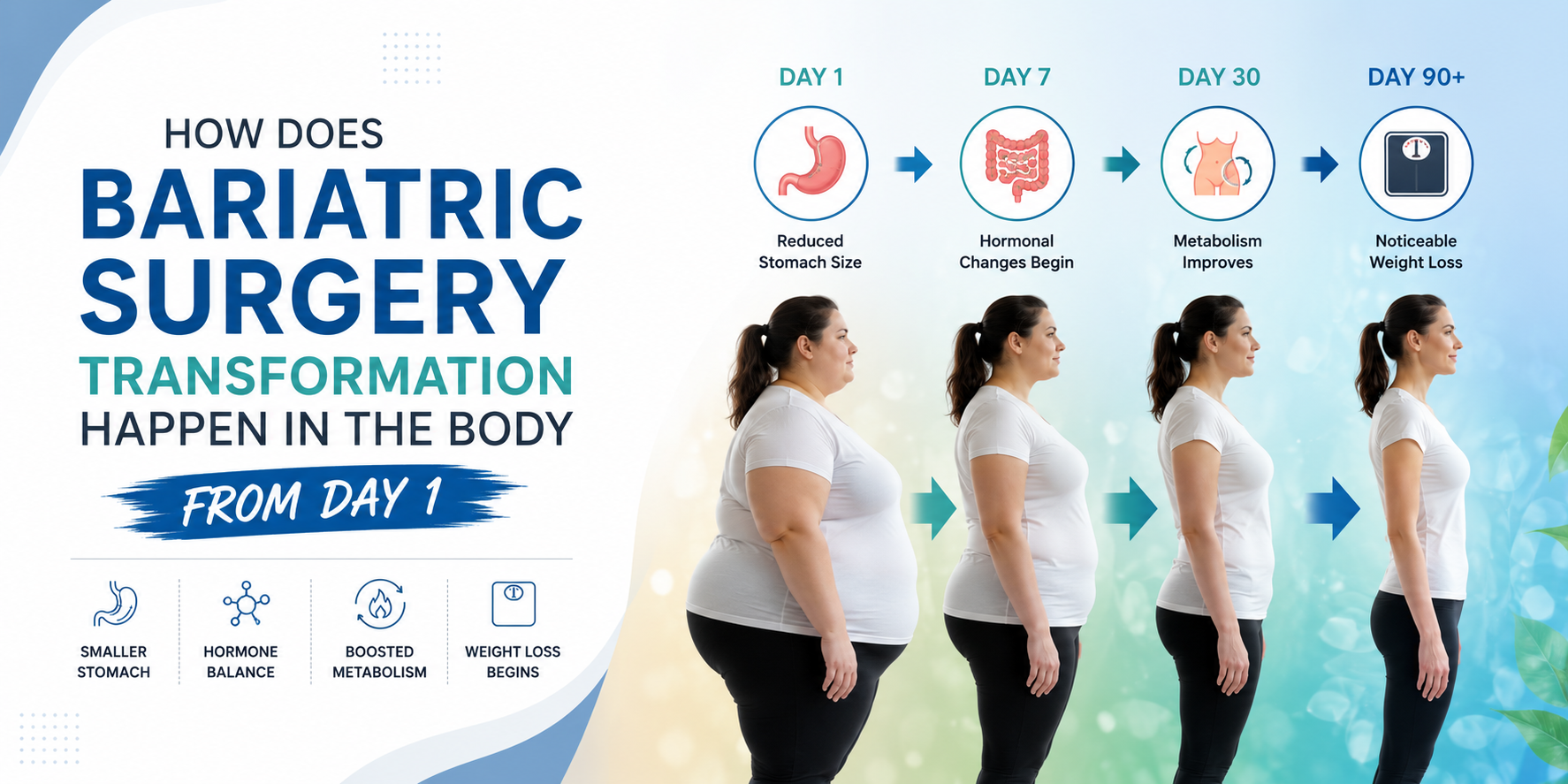
Day 1: What Happens Inside Your Body?
The first 24 hours after bariatric surgery are primarily focused on recovery and healing. Although patients are resting, their bodies are already undergoing significant internal changes.
Your Body Activates the Healing Process
Immediately after surgery, the body’s natural repair mechanisms begin working.
The immune system sends specialised cells to the surgical area to reduce inflammation and support tissue healing.
Patients are usually encouraged to:
- Walk short distances several times a day.
- Perform breathing exercises.
- Drink small amounts of clear fluids as advised.
- Follow the hospital’s recovery protocol.
Walking soon after surgery may seem difficult, but it plays an important role in preventing complications such as blood clots and improving circulation.
The Hunger Hormone Begins to Decrease
One of the most fascinating effects of bariatric surgery involves ghrelin, commonly known as the hunger hormone.
In sleeve gastrectomy, a large portion of the stomach that produces ghrelin is removed.
As a result, many patients notice:
- Reduced appetite
- Less frequent hunger
- Fewer food cravings
- Feeling satisfied with much smaller meals
This hormonal change explains why many patients find it easier to control their eating after surgery compared to previous dieting attempts.
Blood Sugar Levels Start Improving
Another remarkable transformation happens in patients with Type 2 diabetes.
Studies have shown that blood glucose levels often begin improving within just a few days after bariatric surgery—even before meaningful weight loss occurs.
This happens because surgery changes gut hormones that regulate insulin production and improve how the body responds to glucose.
For some patients, diabetes medications may need adjustment shortly after surgery under medical supervision.
Your Digestive System Starts Adapting
Although food intake is minimal during the first day, the digestive system immediately begins adapting to its new anatomy.
The stomach starts healing while the intestines gradually adjust to changes in digestion.
Because the stomach is still healing, patients follow a carefully planned liquid diet designed to:
- Protect the surgical site
- Prevent dehydration
- Support healing
- Reduce discomfort
Following these dietary instructions is one of the most important factors in ensuring a smooth recovery.
The First Week: Your Body Switches to Fat Burning
During the first week after surgery, calorie intake remains very low because patients consume only liquids or specially prescribed nutritional drinks.
Since the body is receiving fewer calories, it starts using stored fat as its primary source of energy.
This process is known as fat metabolism.
As fat stores begin breaking down, patients often experience noticeable early weight loss. While part of this initial reduction is due to fluid loss, the body is also beginning to burn excess fat more efficiently.
Many patients notice several encouraging changes during the first week, including:
- A reduced desire to snack between meals
- Feeling full after only a few sips or spoonfuls
- Better blood sugar readings
- Improved motivation as recovery progresses
It is also common to experience temporary fatigue during this stage. This happens because the body is adapting to a lower calorie intake while simultaneously healing from surgery. With adequate hydration, proper nutrition, and rest, energy levels gradually improve over the following weeks.
Weeks Two to Four: Healing Continues
By the second and third weeks, most patients begin feeling stronger. Although the surgical wounds are healing well externally, internal healing is still ongoing, making it essential to continue following your surgeon’s dietary and activity recommendations.
Your Stomach Learns Its New Capacity
One of the biggest adjustments after bariatric surgery is understanding how little food is needed to feel comfortably full.
Patients who previously consumed large meals often find that just a few spoonfuls are enough to satisfy their appetite.
This is not because food is being blocked. Instead, the newly shaped stomach fills much more quickly, sending fullness signals to the brain sooner than before.
To avoid discomfort, patients are advised to:
- Eat slowly.
- Chew every bite thoroughly.
- Stop eating as soon as they feel comfortably full.
- Avoid drinking fluids during meals if advised by their healthcare team.
These simple habits become lifelong tools for maintaining successful weight loss.
Three Months After Bariatric Surgery: Your Metabolism Becomes More Efficient
By the third month, many patients begin noticing significant physical and medical improvements. Clothes fit more comfortably, everyday activities become easier, and many obesity-related health conditions start improving. While visible weight loss is encouraging, the internal changes happening within the body are even more important.
This phase marks a transition from recovery to adaptation. Your body has become accustomed to its new digestive system, and your metabolism is working more efficiently than before.
Improved Insulin Sensitivity
One of the most remarkable benefits of bariatric surgery is its effect on insulin resistance.
Before surgery, excess body fat—especially around the abdomen—can make it difficult for insulin to work effectively. As weight decreases and gut hormones change, the body’s cells become more responsive to insulin.
Patients with Type 2 diabetes often experience:
- Better blood sugar control
- Lower HbA1c levels
- Reduced dependence on diabetes medications
- Improved energy levels
Some patients may even achieve diabetes remission, although this depends on factors such as the duration of diabetes, pancreatic function, and adherence to lifestyle recommendations. Medication changes should always be supervised by a doctor.
Reduction in Visceral Fat
Not all body fat is the same.
Visceral fat is the fat stored around important organs such as the liver, pancreas, and heart. It is strongly associated with conditions like diabetes, fatty liver disease, heart disease, and high blood pressure.
As weight loss progresses after bariatric surgery, visceral fat decreases significantly.
This contributes to:
- Better liver function
- Lower cardiovascular risk
- Improved metabolic health
- Reduced inflammation throughout the body
These internal improvements often occur before patients notice dramatic changes in their appearance.
Better Heart Health
Carrying excess weight places continuous strain on the heart.
As body weight decreases, the heart no longer needs to work as hard to pump blood throughout the body.
Many patients experience:
- Lower blood pressure
- Improved cholesterol levels
- Better circulation
- Reduced risk of heart disease
Regular exercise, combined with healthy eating, further enhances these cardiovascular benefits.
Increased Mobility and Less Joint Pain
Obesity places excessive pressure on weight-bearing joints, particularly the knees, hips, ankles, and lower back.
As body weight decreases, patients often report:
- Easier walking
- Less knee pain
- Improved balance
- Greater flexibility
- Reduced back discomfort
Many people find they can participate in activities they had previously avoided because of their weight.
Hormonal Balance Continues to Improve
The changes in gut hormones continue for several months after surgery.
Patients commonly notice:
- Reduced cravings for sugary foods
- Better appetite control
- Longer-lasting fullness after meals
- Improved eating behaviour
These hormonal changes help patients maintain healthier dietary habits and support long-term weight management.
Six Months After Bariatric Surgery
By six months, the transformation is usually visible both physically and medically.
Many patients have lost a substantial amount of excess weight and begin enjoying improvements in overall quality of life.
Common benefits at this stage include:
- Better stamina during physical activity
- Improved confidence
- Easier breathing
- Better sleep quality
- Increased independence in daily activities
Laboratory tests often show improvements in:
- Blood sugar
- Cholesterol
- Liver function
- Blood pressure
- Inflammatory markers
Patients who remain physically active and follow their nutritional plan generally achieve the best results.
One Year After Bariatric Surgery
One year after surgery is an important milestone.
Although weight loss varies from person to person, many patients have achieved a significant percentage of their expected excess weight loss.
However, the success of bariatric surgery should not be measured only by the weighing scale.
Patients frequently experience improvements in:
- Type 2 diabetes
- High blood pressure
- Obstructive sleep apnoea
- Fatty liver disease
- PCOS symptoms
- Joint pain
- Mobility
- Mental well-being
- Overall quality of life
Many individuals also report improved confidence, greater participation in family and social activities, and increased motivation to maintain healthy habits.
Experienced bariatric surgeons often observe that patients who attend regular follow-up appointments, stay physically active, and follow dietary recommendations consistently achieve better long-term outcomes than those who rely on surgery alone.
Symptoms That Should Never Be Ignored After Bariatric Surgery
While most patients recover without major complications, certain symptoms require immediate medical attention.
Contact your bariatric surgeon or visit the nearest emergency department if you experience:
- Persistent vomiting
- Severe abdominal pain
- Fever above 38°C
- Chest pain
- Difficulty breathing
- Rapid heartbeat
- Continuous bleeding
- Difficulty swallowing
- Signs of dehydration, such as dizziness or reduced urine output
Ignoring these symptoms can delay treatment and increase the risk of complications.
How Is Recovery Monitored?
Recovery after bariatric surgery involves much more than monitoring weight loss.
Regular follow-up appointments allow your healthcare team to assess:
- Weight loss progress
- Healing
- Nutritional status
- Vitamin and mineral levels
- Blood sugar
- Blood pressure
- Protein intake
- Hydration
- Physical activity
- Emotional well-being
Routine blood tests help identify nutritional deficiencies before they cause symptoms.
Patients who attend scheduled follow-up visits generally experience better long-term success.
Diagnosis and Follow-Up Before and After Surgery
Before bariatric surgery, a comprehensive evaluation is performed to determine whether the procedure is appropriate.
This may include:
- BMI assessment
- Medical history
- Physical examination
- Blood investigations
- Nutritional assessment
- Psychological evaluation, when required
- Imaging or endoscopy in selected cases
After surgery, these assessments continue at regular intervals to ensure safe recovery and long-term health.
Treatment Options for Long-Term Success After Bariatric Surgery
Bariatric surgery is one of the most effective treatments for severe obesity, but it is only one part of a comprehensive weight management programme. Long-term success depends on combining surgery with healthy lifestyle habits, regular medical follow-up, and ongoing support from a multidisciplinary healthcare team.
For patients seeking Obesity Treatment in Delhi, the treatment plan is usually personalised based on age, BMI, existing medical conditions, eating habits, and overall health.
Personalised Nutrition
Nutrition plays a vital role in recovery and long-term weight management.
After surgery, patients gradually progress through different dietary stages:
- Clear liquids
- Full liquids
- Pureed foods
- Soft foods
- Regular healthy meals
Each stage allows the stomach to heal while ensuring the body receives adequate nutrition.
A balanced post-bariatric diet generally focuses on:
- High-quality protein
- Fresh vegetables
- Fruits in appropriate portions
- Whole grains
- Healthy fats
- Adequate hydration
Patients are advised to avoid:
- Sugary beverages
- Carbonated drinks
- Deep-fried foods
- Highly processed snacks
- Excessive sweets
- Alcohol during the recovery period
Following dietary recommendations significantly improves long-term results.
Regular Physical Activity
Exercise is an essential part of the transformation journey.
Most patients begin with short walks soon after surgery and gradually increase their activity as healing progresses.
Over time, the exercise plan may include:
- Brisk walking
- Cycling
- Swimming
- Yoga
- Resistance training
- Strength exercises
Regular physical activity helps:
- Preserve muscle mass
- Burn additional calories
- Improve heart health
- Strengthen bones
- Boost mood
- Reduce the risk of weight regain
Patients should always follow their surgeon’s advice regarding when to begin different forms of exercise.
Lifelong Vitamin and Mineral Supplementation
Because bariatric surgery changes digestion and nutrient absorption, many patients require lifelong vitamin and mineral supplements.
Depending on the type of surgery performed, supplements may include:
- Multivitamins
- Vitamin B12
- Iron
- Calcium
- Vitamin D
- Folic acid
Routine blood tests help ensure nutritional deficiencies are detected and treated early.
Behavioural and Emotional Support
Weight loss is not only a physical journey—it is also an emotional one.
Many people have long-standing eating habits influenced by stress, emotions, social situations, or lifestyle patterns.
Behavioural counselling, support groups, and regular follow-up appointments can help patients:
- Develop healthier eating behaviours
- Manage emotional eating
- Stay motivated
- Build long-term confidence
- Prevent weight regain
Successful bariatric treatment addresses both physical and emotional health.
When Should You See a Bariatric Surgeon?
If obesity is affecting your health or daily life, it may be time to seek professional advice.
Consult an experienced bariatric surgeon if:
- Your BMI is 40 kg/m² or above.
- Your BMI is 35 kg/m² or above with obesity-related conditions.
- You have Type 2 diabetes linked to obesity.
- You have high blood pressure that is difficult to control.
- You suffer from obstructive sleep apnoea.
- You have fatty liver disease.
- You experience severe knee or back pain due to excess weight.
- Repeated attempts at weight loss through diet and exercise have not been successful.
A thorough medical evaluation can determine whether bariatric surgery or another obesity treatment option is the most appropriate choice.
Recovery Tips for Better Results
Recovering well after bariatric surgery requires commitment and consistency. Small daily habits often make the biggest difference over time.
To support your recovery:
- Drink enough water throughout the day.
- Follow your surgeon’s diet plan carefully.
- Prioritise protein in every meal.
- Eat slowly and chew food thoroughly.
- Avoid overeating.
- Take prescribed vitamin and mineral supplements.
- Walk every day and increase activity gradually.
- Get adequate sleep.
- Avoid smoking and alcohol.
- Attend all scheduled follow-up appointments.
- Report unusual symptoms promptly.
Patients who actively participate in their recovery generally experience smoother healing and better long-term outcomes.
Frequently Asked Questions
1. Does bariatric surgery start working immediately?
Yes. While visible weight loss takes time, the body begins healing immediately after surgery. Hormonal changes, improved insulin sensitivity, and reduced hunger often begin within the first 24 to 48 hours.
2. Why do I feel less hungry after bariatric surgery?
Procedures such as sleeve gastrectomy reduce the production of ghrelin, the hormone responsible for stimulating hunger. Many patients naturally feel satisfied with much smaller meals after surgery.
3. How much weight can I lose after bariatric surgery?
Weight loss varies depending on the procedure, starting weight, medical conditions, and lifestyle habits. Most patients experience significant weight loss during the first 12 to 18 months when they follow their treatment plan consistently.
4. Can bariatric surgery cure diabetes?
Bariatric surgery can lead to significant improvement or remission of Type 2 diabetes in many patients. However, results vary, and continued medical follow-up remains essential.
5. How long does recovery take?
Most patients return to light daily activities within two to four weeks, although complete internal healing and metabolic adaptation continue for several months.
6. Will I need to follow a special diet forever?
Yes. Healthy eating habits are essential for maintaining weight loss and preventing nutritional deficiencies. Your bariatric dietitian will guide you through each stage of recovery.
7. Can weight regain happen after bariatric surgery?
Yes. Although bariatric surgery is highly effective, unhealthy eating habits, lack of exercise, and missed follow-up appointments can contribute to weight regain. Lifelong lifestyle changes remain important.
8. Is bariatric surgery safe?
When performed by an experienced bariatric surgeon after proper evaluation, bariatric surgery is considered a safe and effective treatment for severe obesity. Like any surgery, it carries potential risks, which should be discussed during your consultation.
Conclusion
Bariatric surgery is far more than a weight-loss procedure—it is a life-changing medical treatment that begins transforming the body from the very first day. Within hours of surgery, healing starts, appetite-regulating hormones begin to change, blood sugar control improves, and the body gradually shifts toward a healthier metabolic state.
Over the weeks and months that follow, these internal changes lead to meaningful improvements in weight, mobility, energy levels, and obesity-related health conditions such as Type 2 diabetes, hypertension, fatty liver disease, and sleep apnoea.
However, surgery is only one step in the journey. Long-term success depends on adopting healthier eating habits, staying physically active, taking prescribed supplements, and attending regular follow-up appointments. Patients who remain committed to these lifestyle changes often experience the greatest improvements in both health and quality of life.
In clinical practice, one observation remains consistent: patients who understand their recovery process and actively participate in their care are more likely to achieve lasting results.
If you are considering Obesity Treatment in Delhi, consulting an experienced bariatric surgeon can help you understand your options and determine the most suitable treatment plan for your individual health needs.
Medical Disclaimer: This article is intended for educational purposes only and should not replace professional medical advice, diagnosis, or treatment. Always consult a qualified bariatric surgeon or healthcare provider regarding your individual medical condition.

Leave a Reply