
Obesity is more than a cosmetic concern. For many people, it becomes a daily struggle that affects mobility, confidence, energy levels, and long-term health. Simple activities like climbing stairs, walking long distances, or even sleeping comfortably can become challenging. Over time, obesity can also increase the risk of serious conditions such as diabetes, high blood pressure, fatty liver disease, sleep apnea, and heart problems.
Many patients spend years trying different diets, exercise plans, weight-loss supplements, and fitness programs. While lifestyle changes remain the foundation of weight management, some individuals continue to gain weight despite sincere efforts. This is often when bariatric surgery becomes an important treatment option.
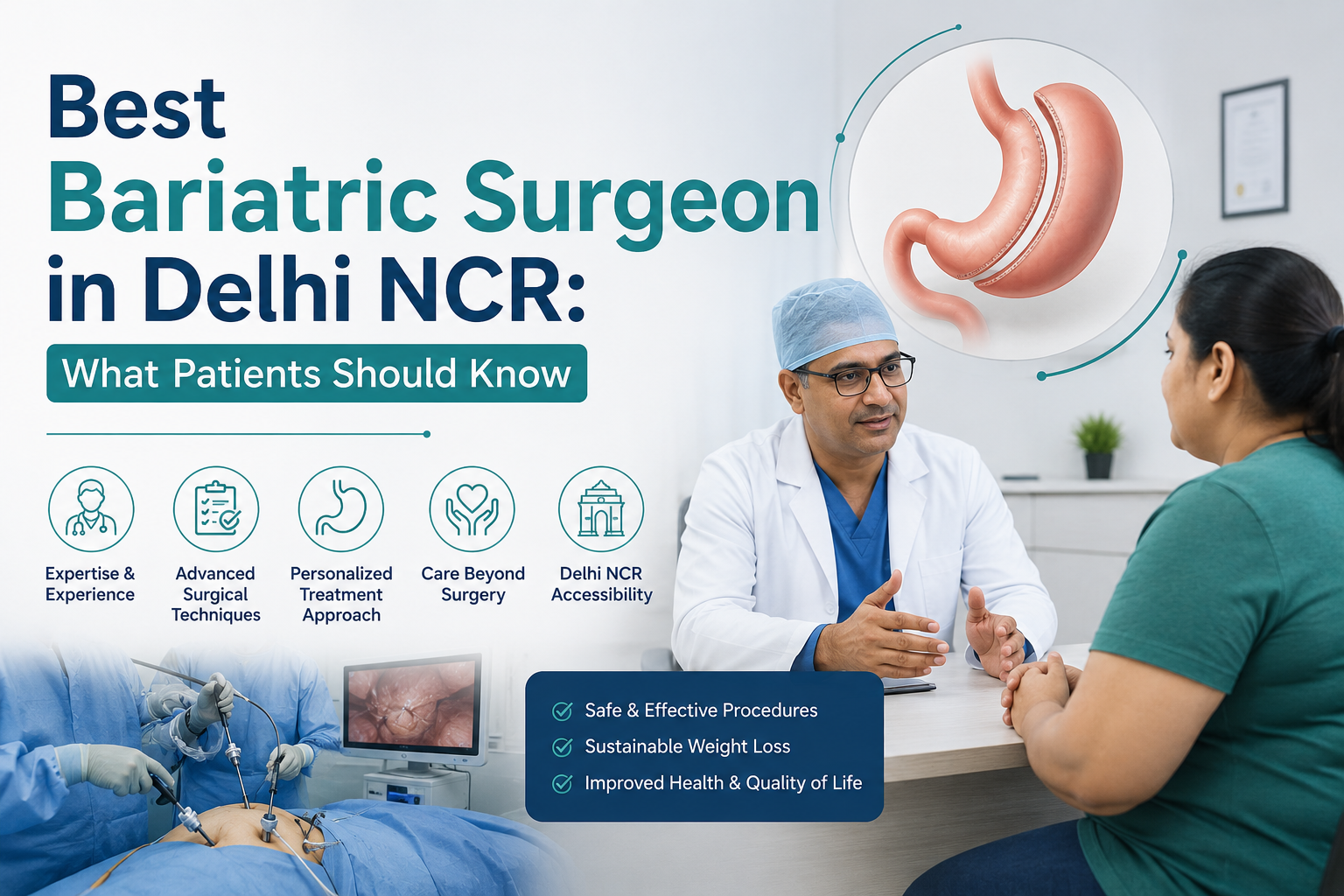
If you are searching for the best bariatric surgeon in Delhi NCR, understanding what bariatric surgery involves and how to choose the right specialist can help you make an informed decision.
What Is a Bariatric Surgeon?
A bariatric surgeon is a specialist trained in surgical procedures that help people achieve significant and sustainable weight loss. These surgeries work by reducing stomach capacity, altering digestion, or combining both approaches to help patients eat less and improve metabolic health.
Unlike general weight-loss programs, bariatric surgery is a medically supervised treatment designed for patients with obesity-related health risks.
An experienced bariatric surgeon in Delhi not only performs surgery but also evaluates overall health, identifies obesity-related complications, and develops a personalized treatment plan that includes long-term follow-up care.
Understanding Obesity: Why It Requires Medical Attention
Many people assume obesity is simply the result of overeating. In reality, obesity is a complex medical condition influenced by several factors, including:
Genetics
Family history can significantly affect body weight and metabolism.
Hormonal Changes
Conditions such as hypothyroidism, PCOS, and insulin resistance can contribute to weight gain.
Sedentary Lifestyle
Lack of physical activity often leads to gradual weight accumulation.
Unhealthy Eating Patterns
Frequent consumption of processed foods, sugary beverages, and high-calorie meals increases obesity risk.
Emotional and Psychological Factors
Stress, anxiety, depression, and emotional eating can make weight management difficult.
Sleep Disorders
Poor sleep quality and sleep apnea may disrupt hormones that regulate hunger and metabolism.
Signs That Obesity May Be Affecting Your Health
Many patients ignore early warning signs because weight gain often develops gradually.
Common symptoms associated with obesity include:
- Persistent fatigue
- Shortness of breath during routine activities
- Joint and knee pain
- Snoring and sleep disturbances
- Reduced mobility
- Excessive sweating
- Difficulty exercising
- High blood pressure
- Elevated blood sugar levels
- Reduced quality of life
In clinical practice, many patients seek medical help only after obesity begins affecting their daily activities or causes other health complications.
Who May Benefit From Bariatric Surgery?
Bariatric surgery is not suitable for everyone. Doctors typically recommend it for patients who meet specific medical criteria.
You may be a candidate if:
BMI Above Recommended Limits
Generally, surgery may be considered for:
- BMI above 40
- BMI above 35 with obesity-related conditions
Obesity-Related Health Problems
These may include:
- Type 2 diabetes
- Hypertension
- Sleep apnea
- Fatty liver disease
- Joint disorders
- Heart disease risk factors
Failed Weight-Loss Attempts
Patients who have tried medically supervised diet and exercise programs without lasting success may benefit from surgical intervention.
A thorough evaluation by a qualified bariatric surgeon in Delhi NCR is necessary before determining eligibility.
Why Choosing the Right Bariatric Surgeon Matters
Bariatric surgery is a life-changing procedure. The surgeon you choose can influence not only surgical outcomes but also your long-term health journey.
Experience in Advanced Bariatric Procedures
Look for surgeons with extensive experience in:
- Sleeve Gastrectomy
- Gastric Bypass Surgery
- Revision Bariatric Surgery
- Metabolic Surgery
Experience often translates into better surgical planning and complication management.
Expertise in Minimally Invasive Techniques
Modern bariatric procedures are commonly performed using laparoscopic or minimally invasive techniques, which may offer:
- Smaller incisions
- Less pain
- Faster recovery
- Shorter hospital stay
Comprehensive Patient Support
Successful weight loss requires more than surgery alone.
The best bariatric programs include:
- Nutritional counseling
- Psychological assessment
- Lifestyle coaching
- Long-term follow-up
Hospital Infrastructure
Choose a surgeon associated with a hospital equipped for advanced bariatric and metabolic surgery.
Bariatric Surgery Options Available in Delhi NCR
Several procedures are commonly performed today.
Sleeve Gastrectomy
This is one of the most frequently performed bariatric procedures worldwide.
During surgery:
- Approximately 75–80% of the stomach is removed.
- Appetite-regulating hormones are reduced.
- Patients feel full sooner.
Benefits
- Significant weight loss
- Improved diabetes control
- Shorter procedure time
- Relatively straightforward recovery
Gastric Bypass Surgery
This procedure reduces stomach size and reroutes part of the digestive tract.
Benefits
- Excellent long-term weight loss
- Effective diabetes remission
- Improved metabolic health
It is often recommended for patients with severe obesity or uncontrolled diabetes.
Revision Bariatric Surgery
Some patients who underwent weight-loss surgery years ago may experience weight regain or complications.
Revision surgery can help address these concerns after careful evaluation.
Metabolic Surgery
Metabolic surgery focuses not only on weight reduction but also on improving obesity-related diseases such as Type 2 diabetes.
Studies have shown significant improvements in blood sugar control following metabolic procedures.
How Bariatric Surgery Helps Beyond Weight Loss
One common misconception is that bariatric surgery is only about appearance.
In reality, the health benefits often extend far beyond weight reduction.
Patients frequently experience improvements in:
Type 2 Diabetes
Many patients require fewer diabetes medications after surgery.
Blood Pressure
Weight loss can help improve hypertension management.
Sleep Apnea
Reduced body weight often improves breathing during sleep.
Joint Pain
Less stress on weight-bearing joints can improve mobility.
Heart Health
Risk factors associated with cardiovascular disease may decrease.
Mental Well-Being
Many patients report increased confidence and improved quality of life.
What to Expect Before Surgery
Before recommending surgery, an experienced bariatric specialist conducts a detailed evaluation.
This typically includes:
Medical Assessment
Review of:
- Existing illnesses
- Previous surgeries
- Medication history
Laboratory Tests
Tests may include:
- Blood investigations
- Liver function tests
- Thyroid profile
- Diabetes evaluation
Nutritional Assessment
A dietitian evaluates eating habits and nutritional needs.
Psychological Evaluation
Mental health plays an important role in long-term success after bariatric surgery.
Recovery After Bariatric Surgery
Recovery varies depending on the procedure and individual health status.
Most patients can expect:
Early Recovery
- Walking within hours of surgery
- Hospital stay of 1–3 days in many cases
- Gradual return to daily activities
Dietary Progression
The diet typically progresses through stages:
- Liquid diet
- Pureed foods
- Soft foods
- Regular healthy meals
Follow-Up Visits
Regular monitoring helps ensure:
- Proper healing
- Nutritional balance
- Sustainable weight loss
When Should You Consult a Bariatric Surgeon?
Consider scheduling a consultation if:
- Your weight is affecting daily activities.
- You have obesity-related health conditions.
- Repeated weight-loss attempts have failed.
- You are experiencing worsening diabetes or hypertension due to obesity.
- Your BMI meets bariatric surgery criteria.
Early consultation often provides more treatment options and helps prevent future complications.
Tips for Long-Term Success After Bariatric Surgery
Surgery is a powerful tool, but long-term success depends on healthy habits.
Follow Dietary Guidelines
Stick to the nutrition plan provided by your healthcare team.
Stay Physically Active
Regular exercise supports weight maintenance and overall health.
Attend Follow-Up Appointments
Routine check-ups help detect nutritional deficiencies and track progress.
Prioritize Protein Intake
Protein supports healing and muscle preservation.
Maintain Realistic Expectations
Weight loss occurs gradually over time rather than overnight.
Frequently Asked Questions (FAQs)
Is bariatric surgery safe?
When performed by an experienced bariatric surgeon and at an appropriately equipped hospital, bariatric surgery is generally considered safe. Every surgery carries risks, which should be discussed during consultation.
How much weight can I lose after bariatric surgery?
Weight loss varies by procedure and individual factors. Many patients achieve significant and sustained weight reduction when they follow recommended lifestyle changes.
Will diabetes improve after bariatric surgery?
Many patients experience improved blood sugar control, and some may require fewer medications. Results vary from person to person.
How long does recovery take?
Most patients return to routine activities within a few weeks, although complete recovery and lifestyle adaptation take longer.
Is bariatric surgery permanent?
Most bariatric procedures are designed as long-term treatments. Long-term success depends on maintaining healthy habits.
Can weight return after bariatric surgery?
Weight regain is possible if dietary and lifestyle recommendations are not followed consistently.
What is the best age for bariatric surgery?
Eligibility depends on overall health, obesity severity, and medical evaluation rather than age alone.
Do I need lifelong follow-up after surgery?
Yes. Long-term follow-up is important to monitor nutrition, weight maintenance, and overall health.
Conclusion
Finding the best bariatric surgeon in Delhi NCR is about more than choosing a surgeon—it is about selecting a healthcare partner who understands the complexities of obesity and provides comprehensive, long-term support.
For patients struggling with obesity-related health issues, bariatric surgery can be a scientifically proven treatment option that helps improve weight, metabolic health, mobility, and overall quality of life.
If obesity is affecting your health or daily activities, consulting an experienced bariatric specialist can help you understand whether surgery is the right step for you. Early evaluation often leads to better outcomes and more effective long-term weight management.

Leave a Reply