
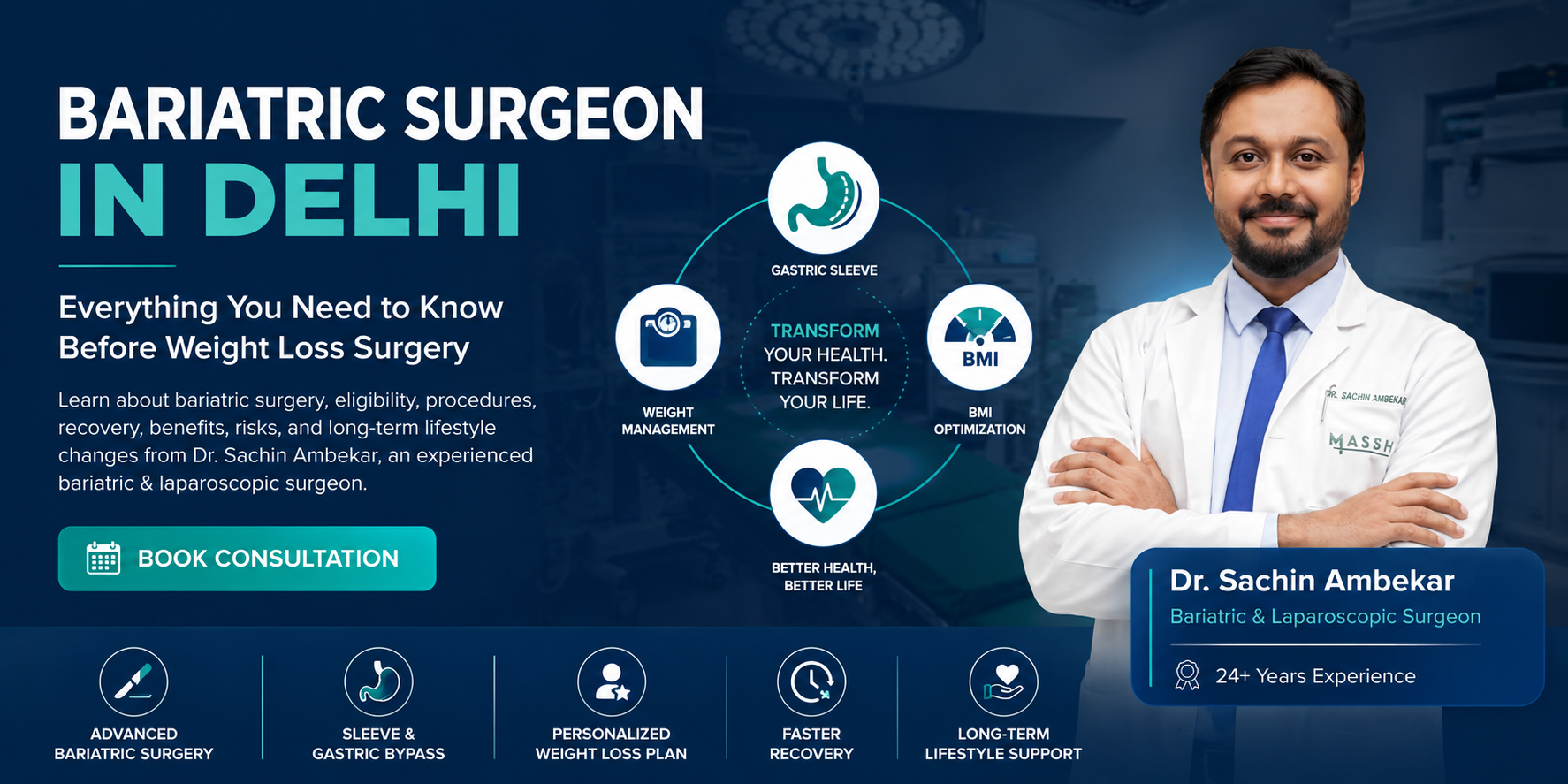
Obesity is no longer just a cosmetic concern. It is a serious medical condition that can affect nearly every aspect of health, including diabetes, blood pressure, heart health, sleep quality, fertility, and overall quality of life.
For many individuals, diet plans, exercise routines, and medications may help initially, but maintaining long-term weight loss can be challenging. In such cases, bariatric surgery may offer a medically proven solution for sustainable weight management.
If you are searching for a trusted Bariatric Surgeon in Delhi, understanding the procedure, eligibility criteria, benefits, risks, and recovery process can help you make an informed decision.
What Is Bariatric Surgery?
Bariatric surgery refers to a group of surgical procedures designed to help individuals achieve significant and long-term weight loss.
These procedures work by:
- Reducing the size of the stomach
- Limiting food intake
- Altering digestive processes
- Improving metabolic function
- Helping control obesity-related diseases
Unlike fad diets or temporary weight-loss methods, bariatric surgery addresses the biological and hormonal factors that contribute to obesity.
Why Obesity Should Not Be Ignored
Many people underestimate the health risks associated with excess weight.
Obesity can increase the risk of:
- Type 2 diabetes
- High blood pressure
- Heart disease
- Sleep apnea
- Fatty liver disease
- Joint pain and arthritis
- Infertility
- Polycystic Ovary Syndrome (PCOS)
- Certain cancers
According to global health research, obesity is a chronic disease that often requires medical intervention when lifestyle changes alone are insufficient.
Who Should Consider Bariatric Surgery?
Not everyone struggling with weight requires surgery.
A qualified Bariatric Surgeon in Delhi typically evaluates several factors before recommending treatment.
You May Be a Candidate If:
BMI Above 40
Individuals with severe obesity often benefit from surgical intervention.
BMI Above 35 with Associated Health Conditions
This includes patients suffering from:
- Diabetes
- Hypertension
- Sleep apnea
- Heart disease
Repeated Failure of Non-Surgical Weight Loss Methods
If multiple attempts through diet, exercise, and medication have not resulted in sustainable weight loss, surgery may be considered.
Commitment to Lifestyle Changes
Successful outcomes depend on long-term dietary and lifestyle modifications after surgery.
Common Types of Bariatric Surgery
Modern bariatric procedures are typically performed using minimally invasive laparoscopic techniques, which may result in smaller incisions and faster recovery.
1. Sleeve Gastrectomy
This is one of the most commonly performed weight-loss procedures.
During the surgery:
- Approximately 75–80% of the stomach is removed
- The stomach becomes tube-shaped or “sleeve-like”
- Hunger hormones may decrease significantly
Benefits
- Significant weight loss
- Reduced hunger
- Shorter operating time
- Improved diabetes control
2. Gastric Bypass Surgery
This procedure creates a small stomach pouch and reroutes part of the intestine.
Benefits
- Excellent weight-loss outcomes
- Strong metabolic effects
- Significant improvement in diabetes
3. Mini Gastric Bypass
A simplified variation of traditional gastric bypass surgery.
Advantages
- Effective weight reduction
- Shorter surgical duration
- Good results in metabolic disease management
The most suitable procedure depends on individual health conditions, BMI, eating habits, and medical history.
How to Choose the Right Bariatric Surgeon in Delhi
Choosing a surgeon is one of the most important decisions in your weight-loss journey.
Look for These Factors
Specialized Training
Ensure the surgeon has dedicated expertise in bariatric and minimally invasive surgery.
Experience with Complex Cases
Patients with obesity often have associated health conditions requiring specialized surgical planning.
Multidisciplinary Support
The best outcomes are achieved when surgery is combined with:
- Nutritional counseling
- Lifestyle guidance
- Psychological support
- Long-term follow-up care
Transparent Communication
A trustworthy surgeon explains both benefits and risks while helping patients set realistic expectations.
Benefits of Bariatric Surgery
Weight-loss surgery offers more than aesthetic improvements.
Many patients experience significant health benefits.
Better Diabetes Control
Many individuals see improved blood sugar management, sometimes within weeks after surgery.
Reduced Blood Pressure
Weight loss can positively impact cardiovascular health.
Improved Sleep Quality
Symptoms of obstructive sleep apnea may decrease significantly.
Enhanced Mobility
Reduced body weight places less stress on joints and muscles.
Better Quality of Life
Patients often report improvements in:
- Confidence
- Energy levels
- Physical activity
- Daily functioning
Risks and Safety Considerations
Like any surgical procedure, bariatric surgery carries potential risks.
These may include:
- Bleeding
- Infection
- Nutritional deficiencies
- Blood clots
- Leakage from surgical connections
- Gastrointestinal symptoms
However, advancements in laparoscopic surgery, improved surgical techniques, and careful patient selection have enhanced safety outcomes.
Discussing individual risks with an experienced bariatric surgeon remains essential.
What to Expect Before Surgery
The preparation phase usually includes:
Medical Evaluation
A detailed review of:
- Medical history
- Current medications
- Existing health conditions
Nutritional Assessment
A dietitian helps prepare patients for dietary changes before and after surgery.
Diagnostic Tests
These may include:
- Blood investigations
- ECG
- Chest evaluation
- Endoscopy (if required)
Lifestyle Preparation
Patients may be advised to:
- Stop smoking
- Increase physical activity
- Follow a preoperative diet plan
Recovery After Bariatric Surgery
Recovery varies depending on the procedure and individual health status.
Hospital Stay
Most patients remain in the hospital for a short duration following laparoscopic surgery.
Diet Progression
Recovery generally follows stages:
- Clear liquids
- Full liquids
- Soft foods
- Regular healthy meals
Physical Activity
Light walking is encouraged early to support recovery.
Follow-Up Care
Regular follow-up visits help monitor:
- Weight loss progress
- Nutritional status
- Overall health
Long-Term Success After Bariatric Surgery
Surgery is a powerful tool, but long-term success requires commitment.
Patients who achieve the best outcomes often:
- Follow dietary recommendations
- Stay physically active
- Attend follow-up appointments
- Take prescribed supplements
- Build sustainable healthy habits
Weight-loss surgery works most effectively when combined with long-term lifestyle changes.
Why Consult an Experienced Bariatric Surgeon in Delhi?
Every patient’s weight-loss journey is unique.
A qualified bariatric surgeon can:
- Assess your eligibility
- Recommend the most appropriate procedure
- Explain realistic outcomes
- Guide you through recovery
- Provide long-term support
Seeking expert guidance helps ensure safe and informed decision-making.
Frequently Asked Questions (FAQs)
Is bariatric surgery safe?
Bariatric surgery is generally considered safe when performed by an experienced surgeon in an accredited healthcare facility. As with any surgery, risks exist and should be discussed individually.
How much weight can I lose after bariatric surgery?
Weight loss varies depending on the procedure, starting weight, and adherence to lifestyle recommendations. Most patients experience substantial weight reduction over time.
Will bariatric surgery cure diabetes?
Many patients experience significant improvement in blood sugar control. However, outcomes vary and ongoing medical monitoring remains important.
How long does recovery take?
Most individuals return to normal activities within a few weeks, depending on the procedure and personal recovery progress.
Can weight return after surgery?
Weight regain is possible if healthy eating habits and physical activity are not maintained. Long-term follow-up care plays an important role in sustained results.
What is the ideal age for bariatric surgery?
Eligibility depends more on overall health, obesity severity, and medical evaluation rather than age alone.
Final Thoughts
Obesity is a chronic medical condition that often requires comprehensive treatment. For individuals struggling with severe obesity and related health concerns, bariatric surgery may provide an effective path toward better health and improved quality of life.
Consulting an experienced Bariatric Surgeon in Delhi can help you understand your options, evaluate your eligibility, and create a personalized treatment plan based on your health goals.

Leave a Reply