
Losing weight is often described as a matter of “eating less and moving more.” But for many people struggling with obesity, the reality is far more complex.
Some patients spend years trying strict diets, gym memberships, intermittent fasting, or weight loss supplements without achieving lasting results. Others may lose weight temporarily, only to regain it within months. Over time, obesity starts affecting much more than appearance. It can impact blood sugar levels, blood pressure, sleep quality, joint health, confidence, fertility, and overall quality of life.
In clinical practice, one pattern is seen repeatedly: many people delay seeking medical help because they believe obesity is purely a personal failure. In reality, obesity is a chronic medical condition influenced by hormones, metabolism, genetics, lifestyle, stress, and underlying health issues.
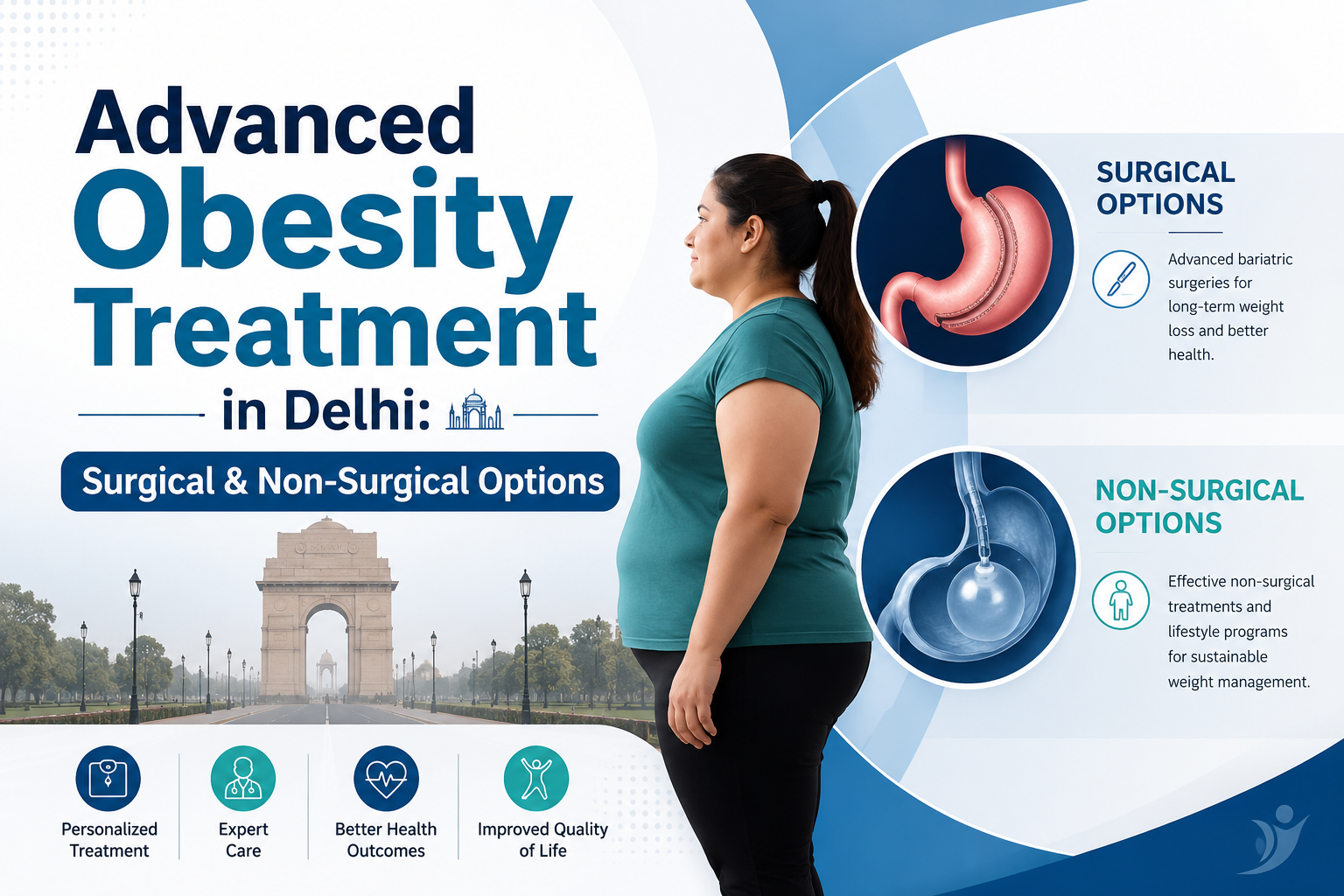
Fortunately, modern obesity treatment in Delhi has evolved significantly. Today, patients have access to both non-surgical and advanced surgical solutions that are safer, more personalized, and more effective than earlier approaches.
This guide explains the available obesity treatment options, who may benefit from them, and when medical intervention becomes necessary.
What Is Obesity?
Obesity is a medical condition in which excess body fat begins affecting overall health. It is commonly measured using Body Mass Index (BMI), although waist circumference, metabolic health, and body composition also play important roles.
For Indian patients, health risks related to obesity may begin at lower BMI levels compared to Western populations.
BMI Categories for Asian Indians
| BMI Range | Category |
| 18.5–22.9 | Healthy |
| 23–24.9 | Overweight |
| 25 and above | Obese |
Obesity is not only about body weight. It is closely associated with several medical conditions, including:
- Type 2 diabetes
- High blood pressure
- Fatty liver disease
- Sleep apnea
- Heart disease
- Joint pain and arthritis
- PCOS and fertility issues
- Acid reflux
- Depression and anxiety
Patients often ignore gradual weight gain until daily activities become difficult. Climbing stairs, walking long distances, or even sleeping comfortably may become challenging.
Why Obesity Is Increasing in Delhi
Urban lifestyles have contributed significantly to rising obesity rates across Delhi NCR.
Several factors commonly seen among patients include:
Sedentary Work Culture
Long office hours, desk jobs, and reduced physical activity slow down calorie expenditure.
High-Calorie Food Habits
Frequent consumption of processed food, sugary beverages, late-night meals, and restaurant dining increases calorie intake.
Stress and Sleep Disturbance
Chronic stress and inadequate sleep can disrupt hormones that regulate hunger and metabolism.
Hormonal and Medical Conditions
Conditions such as hypothyroidism, insulin resistance, and PCOS may contribute to weight gain.
Genetic Predisposition
Some individuals are genetically more prone to obesity despite lifestyle efforts.
Symptoms and Health Risks of Obesity
Obesity develops gradually, which is why many warning signs are overlooked initially.
Common Symptoms
- Persistent weight gain
- Fatigue or low stamina
- Breathlessness during routine activities
- Snoring or poor sleep
- Joint and knee pain
- Increased sweating
- Difficulty exercising
- Reduced mobility
Serious Health Risks
Type 2 Diabetes
Excess body fat can reduce insulin sensitivity and increase blood sugar levels.
Heart Disease
Obesity raises the risk of high cholesterol, hypertension, and cardiovascular complications.
Sleep Apnea
Many patients with obesity experience interrupted breathing during sleep, leading to daytime fatigue and poor concentration.
Fatty Liver Disease
Fat accumulation in the liver can progress silently over time.
Joint Damage
Knees and lower back are especially affected because of excess pressure on weight-bearing joints.
One important observation seen in obesity clinics is that patients often seek treatment only after complications like diabetes or severe knee pain begin affecting daily life.
How Obesity Is Diagnosed
Diagnosis is not limited to checking body weight.
A comprehensive obesity evaluation usually includes:
- BMI assessment
- Waist circumference
- Medical history
- Eating habits
- Physical activity level
- Hormonal evaluation
- Blood sugar testing
- Lipid profile
- Liver function tests
- Sleep assessment
The goal is to identify both the severity of obesity and associated medical conditions.
Non-Surgical Obesity Treatment Options in Delhi
Not every patient requires surgery. Many individuals benefit from structured non-surgical treatment plans.
1. Medical Nutrition Therapy
Crash diets rarely provide long-term results. Instead, sustainable dietary modifications are recommended.
A medically supervised nutrition plan may include:
- Portion control
- Protein optimization
- Balanced carbohydrate intake
- Meal timing strategies
- Reducing ultra-processed foods
- Long-term behavioral changes
The focus is usually on consistency rather than rapid weight loss.
2. Physical Activity and Exercise
Exercise recommendations should be realistic and personalized.
For severely overweight individuals, aggressive workouts may worsen joint pain or lead to burnout.
Safer starting options may include:
- Walking
- Swimming
- Cycling
- Resistance training
- Physiotherapy-guided movement
Even moderate daily activity can improve metabolic health significantly.
3. Behavioral and Lifestyle Therapy
Emotional eating, stress eating, and inconsistent routines commonly contribute to obesity.
Behavioral therapy may help patients:
- Identify eating triggers
- Improve sleep habits
- Build sustainable routines
- Reduce binge eating patterns
Patients who address behavioral factors often achieve better long-term outcomes.
4. Medical Weight Loss Treatment
Some patients may benefit from doctor-prescribed medications for obesity management.
These medicines are typically considered when:
- BMI is high
- Lifestyle measures alone are insufficient
- Obesity-related conditions are present
However, medications should always be used under medical supervision. Self-medication or online “fat-burning” products can be unsafe.
When Non-Surgical Treatment May Not Be Enough
Some patients continue struggling despite serious lifestyle efforts.
This is especially common in individuals with:
- Morbid obesity
- Long-standing diabetes
- Severe sleep apnea
- BMI above recommended thresholds
- Repeated weight regain
- Obesity-related complications
In such cases, bariatric surgery may become a medically appropriate option.
Surgical Obesity Treatment Options in Delhi
Bariatric surgery has become one of the most effective long-term treatments for severe obesity.
Modern procedures are usually performed laparoscopically, meaning smaller incisions, reduced pain, and faster recovery.
Who May Be Eligible for Bariatric Surgery?
Patients may be considered if they:
- Have BMI above 35
- Have obesity-related illnesses
- Failed sustained weight loss with non-surgical methods
- Experience major quality-of-life limitations
Eligibility is always assessed individually.
Types of Bariatric Surgery
1. Sleeve Gastrectomy
This is one of the most commonly performed weight loss procedures.
During surgery:
- A portion of the stomach is removed
- Appetite-regulating hormones decrease
- Food intake capacity reduces
Benefits
- Significant weight loss
- Improved diabetes control
- Reduced hunger
- Shorter hospital stay
2. Gastric Bypass Surgery
This procedure changes both stomach size and food absorption pathways.
It may be considered for:
- Severe obesity
- Uncontrolled diabetes
- Reflux-related obesity complications
3. Mini Gastric Bypass
A simplified bypass procedure performed in selected patients.
Suitability depends on:
- BMI
- medical history
- eating behavior
- metabolic profile
Benefits of Bariatric Surgery Beyond Weight Loss
Many patients assume bariatric surgery is only cosmetic. In reality, its primary purpose is improving overall health.
Patients often experience improvement in:
- Diabetes
- Blood pressure
- Sleep apnea
- Mobility
- Joint pain
- Fertility-related issues
- Energy levels
Some individuals are able to reduce long-term medication dependency after successful weight reduction under medical guidance.
Recovery After Obesity Surgery
Recovery varies from person to person.
Most patients can:
- walk within hours after surgery
- resume light activity within days
- return to work in 1–2 weeks depending on recovery
Long-term success depends heavily on:
- dietary discipline
- follow-up visits
- physical activity
- emotional support
Surgery is a tool, not a shortcut.
Common Myths About Obesity Treatment
“Obesity Is Just Lack of Willpower”
This is medically inaccurate. Obesity involves complex metabolic and hormonal factors.
“Weight Loss Surgery Is Dangerous”
Modern laparoscopic bariatric surgery is significantly safer than many people assume when performed by experienced surgeons in appropriate settings.
“People Gain Weight Again After Surgery”
Weight regain is possible if long-term lifestyle guidance is ignored. However, structured follow-up care improves success rates substantially.
“Only Extremely Obese People Need Treatment”
Even moderate obesity can lead to diabetes, hypertension, and cardiovascular risk in Indian patients.
When Should You Consult an Obesity Specialist?
You should consider medical consultation if:
- BMI is increasing steadily
- Lifestyle measures repeatedly fail
- Diabetes or blood pressure is worsening
- Sleep apnea symptoms appear
- Joint pain limits movement
- Daily activities become difficult
Early intervention often prevents long-term complications.
Tips to Prevent Obesity and Maintain Long-Term Weight Loss
Prioritize Sustainable Eating Habits
Avoid temporary fad diets.
Improve Sleep Quality
Poor sleep disrupts hunger-regulating hormones.
Stay Physically Active
Consistency matters more than intensity initially.
Manage Stress
Stress-related eating patterns are extremely common.
Seek Medical Guidance Early
Waiting until complications become severe often makes treatment more difficult.
Conclusion
Obesity is not simply about body weight. It is a chronic medical condition that can silently affect nearly every system in the body.
The encouraging part is that effective treatment options are available today. From medically supervised lifestyle programs to advanced bariatric surgery, obesity management has become safer, more personalized, and more evidence-based.
The right treatment depends on an individual’s health profile, BMI, medical history, and long-term goals.
If weight-related health issues are affecting your quality of life, seeking timely medical guidance can be an important step toward improving overall health and well-being.
For personalized obesity treatment in Delhi, consulting an experienced bariatric and laparoscopic surgeon can help patients understand both surgical and non-surgical options safely and realistically.
Medically Reviewed By
Dr. Sachin Ambekar
MS, FMAS, FIAGES
Bariatric & Advanced Laparoscopic Surgeon
FAQs
What is the best obesity treatment in Delhi?
The best treatment depends on BMI, medical conditions, and previous weight loss attempts. Some patients benefit from lifestyle therapy, while others may require bariatric surgery.
Is bariatric surgery safe?
Modern bariatric surgery is generally considered safe when performed by experienced surgeons after proper medical evaluation.
How much weight can be lost after bariatric surgery?
Weight loss varies, but many patients lose a significant percentage of excess body weight over 12–18 months with proper follow-up care.
Can obesity treatment help diabetes?
Yes. Weight loss often improves insulin sensitivity and blood sugar control. Some patients experience major improvement in type 2 diabetes after bariatric surgery.
How do I know if I qualify for weight loss surgery?
Eligibility depends on BMI, obesity-related diseases, and previous treatment history. A detailed medical assessment is required.
Is non-surgical obesity treatment effective?
Yes, especially in early or moderate obesity. Success depends on consistency, medical supervision, and long-term lifestyle changes.
Medical Disclaimer
The content on this website is intended for general educational and informational purposes only. It is not a substitute for professional medical advice, diagnosis, or treatment.
Every patient’s medical condition is unique. Treatment decisions related to obesity, bariatric surgery, or any other health condition should only be made after consultation with a qualified healthcare professional.
Do not ignore professional medical advice or delay seeking it because of information you have read online. In case of any medical emergency or serious symptoms, please contact a doctor immediately.

Leave a Reply