
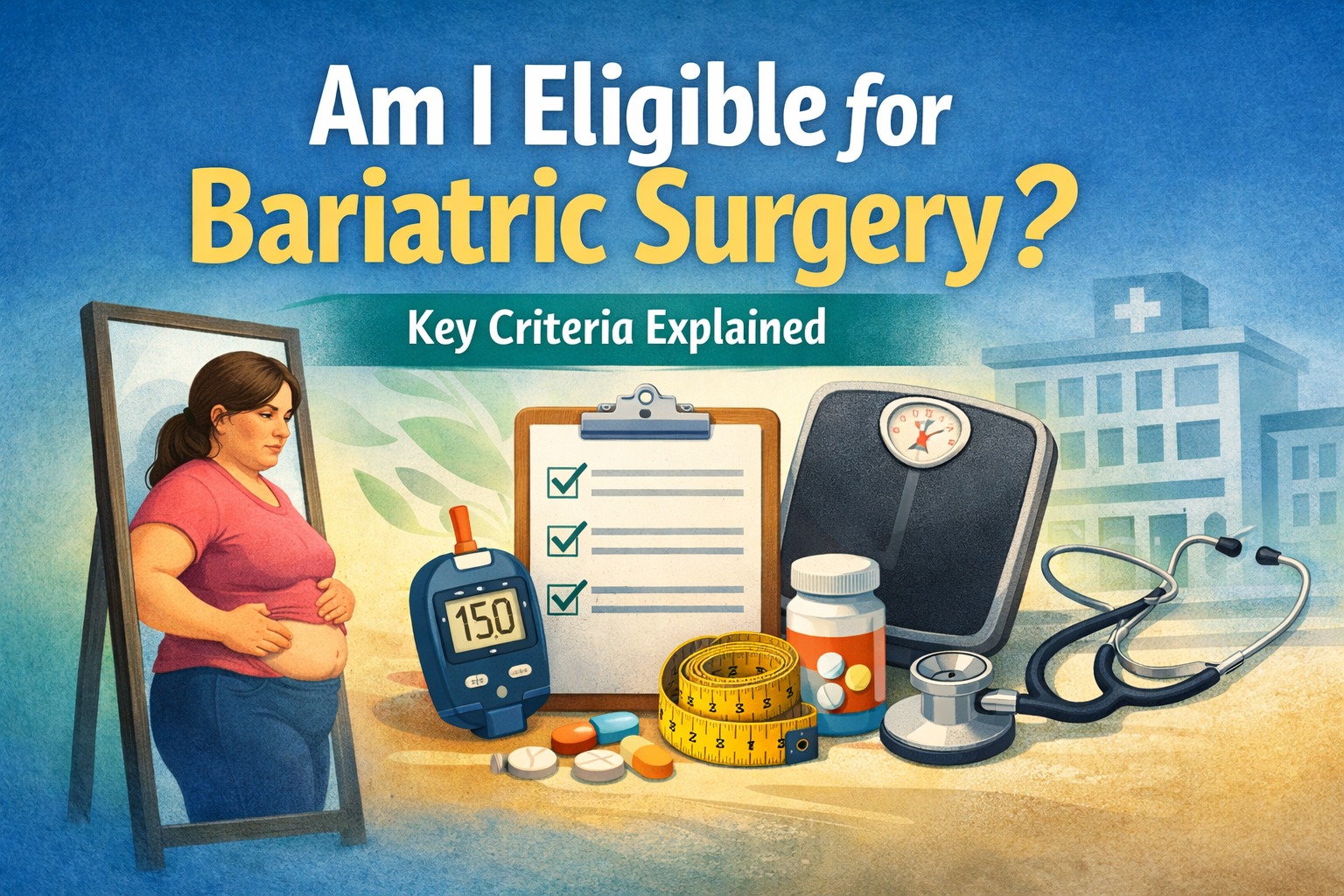
Bariatric surgery has emerged as one of the most effective long-term treatments for severe obesity and obesity-related health conditions. However, not everyone who wants weight-loss surgery is immediately eligible. Eligibility is based on medical, psychological, and lifestyle factors to ensure the surgery is both safe and beneficial for the patient.
If you are wondering whether bariatric surgery is right for you, this guide explains the key criteria used by doctors to determine eligibility.
What Is Bariatric Surgery?
Bariatric surgery includes procedures such as gastric sleeve, gastric bypass, and mini-gastric bypass, which help patients lose weight by reducing stomach size and altering digestion. These surgeries not only promote weight loss but also improve or resolve conditions like diabetes, high blood pressure, sleep apnea, and joint problems.
Because it is a major surgical intervention, eligibility is carefully assessed.
Primary Eligibility Criteria for Bariatric Surgery
1. Body Mass Index (BMI)
BMI is the most important initial criterion.
You may be eligible if:
- BMI ≥ 40 kg/m², even without medical problems
- BMI 35–39.9 kg/m² with at least one obesity-related condition
- BMI 30–34.9 kg/m² with uncontrolled diabetes or metabolic disease (in selected cases)
BMI is calculated using height and weight and helps assess the severity of obesity.
2. Obesity-Related Health Conditions
Patients with lower BMI may still qualify if obesity is affecting their health. Common qualifying conditions include:
- Type 2 diabetes
- High blood pressure
- Sleep apnea
- Fatty liver disease
- Heart disease
- Joint pain or arthritis
- Polycystic ovary syndrome (PCOS)
Bariatric surgery often leads to significant improvement or remission of these conditions.
3. History of Failed Weight-Loss Attempts
Bariatric surgery is not a first-line treatment. Candidates are usually those who have:
- Tried diet, exercise, and lifestyle changes
- Used medications or supervised weight-loss programs
- Failed to achieve or maintain sustainable weight loss
This demonstrates that surgery is being considered as a medically necessary option, not a shortcut.
Psychological and Behavioral Readiness
4. Mental Health Evaluation
Patients must be psychologically prepared for the lifestyle changes required after surgery. Evaluation helps ensure there are no untreated conditions such as:
- Severe depression
- Eating disorders
- Substance abuse
- Untreated anxiety or psychiatric illness
Mental health support is crucial for long-term success.
5. Willingness to Commit to Lifestyle Changes
Bariatric surgery is a tool, not a cure. Eligibility depends on the patient’s willingness to:
- Follow dietary guidelines
- Take lifelong vitamin and mineral supplements
- Attend follow-up appointments
- Maintain physical activity
Patients unwilling to commit to these changes may not be ideal candidates.
Age and General Health Considerations
6. Age Criteria
Most bariatric surgeries are performed on:
- Adults aged 18–65 years
However, adolescents or older adults may be considered on a case-by-case basis if benefits outweigh risks.
7. Overall Medical Fitness
Patients must be fit enough to undergo anesthesia and surgery. Conditions that may delay or prevent surgery include:
- Severe heart or lung disease
- Uncontrolled bleeding disorders
- Active cancer
- Severe liver failure
These are evaluated during pre-surgical assessments.
Who May Not Be Eligible?
You may not be eligible if you:
- Are pregnant or planning pregnancy soon
- Have untreated psychiatric illness
- Have active substance abuse
- Expect surgery to work without lifestyle change
In such cases, treatment may be postponed until conditions are addressed.
Final Thoughts
Bariatric surgery can be life-changing, but eligibility is based on safety, readiness, and long-term success—not just weight alone. If you meet BMI criteria, have obesity-related health issues, and are committed to lifestyle change, you may be an excellent candidate.
The best way to know for sure is to consult a qualified bariatric surgeon or obesity specialist, who can guide you through a personalized evaluation.
The right candidate is not just someone who wants surgery—but someone ready for a healthier
Leave a Reply