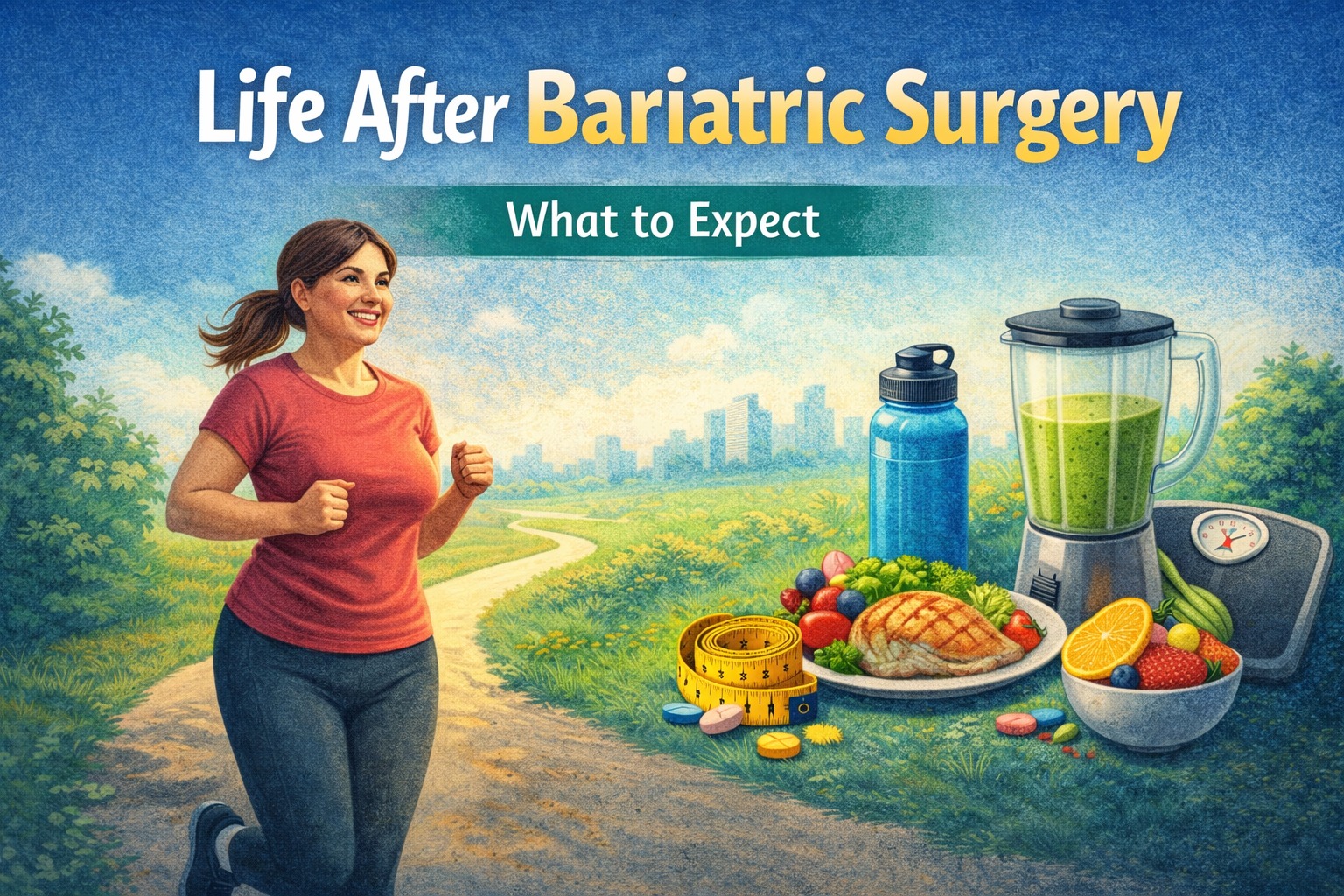
Bariatric surgery is a powerful step toward long-term weight loss and improved health—but the journey does not end in the operating room. Life after bariatric surgery involves physical, emotional, and lifestyle changes that require commitment, patience, and support. Understanding what to expect after surgery helps patients prepare for success and maintain lasting results.
The Early Recovery Phase
In the first few weeks after surgery, the body begins to heal and adapt to a smaller stomach. Patients may experience fatigue, mild pain, and changes in appetite. Hospital stays are usually short, and most patients can return to light daily activities within two to four weeks.
Diet progression is gradual:
- Week 1–2: Clear and full liquids
- Week 3–4: Pureed and soft foods
- After 1 month: Transition to solid foods in small portions
Following dietary guidelines strictly during this phase is essential to avoid complications and promote healing.
Eating Habits After Bariatric Surgery
Eating patterns change permanently after surgery. Patients must learn to eat smaller, nutrient-dense meals and avoid overeating.
Key dietary principles include:
- Eating slowly and chewing thoroughly
- Prioritizing protein intake
- Avoiding sugary, fried, and processed foods
- Drinking fluids between meals, not during meals
Overeating or eating too quickly can cause nausea, vomiting, or discomfort. With time, patients develop a healthy relationship with food and improved portion control.
Weight Loss and Body Changes
Weight loss after bariatric surgery is usually rapid in the first 6–12 months. Patients often experience:
- Significant reduction in body weight
- Improved mobility and energy levels
- Better sleep quality
Loose skin may develop, particularly around the abdomen, arms, and thighs. While exercise helps improve muscle tone, some patients may consider body-contouring procedures after weight stabilization.
Improvement in Health Conditions
One of the most rewarding aspects of life after bariatric surgery is the improvement or resolution of obesity-related conditions such as:
- Type 2 diabetes
- High blood pressure
- Sleep apnea
- Joint pain
- Fatty liver disease
Many patients reduce or completely stop long-term medications under medical supervision.
Physical Activity and Lifestyle Changes
Exercise becomes an important part of daily life after surgery. Patients are encouraged to:
- Start with walking and light activities
- Gradually include strength training and cardio exercises
- Aim for at least 150 minutes of physical activity per week
Regular physical activity helps maintain weight loss, improves mood, and enhances overall health.
Emotional and Psychological Adjustments
Weight loss surgery also brings emotional changes. While many patients feel increased confidence and self-esteem, others may experience mood swings or challenges adjusting to body image changes.
Support systems are essential:
- Counseling or therapy
- Bariatric support groups
- Family and peer support
Addressing emotional health is just as important as physical recovery.
Lifelong Supplements and Follow-Up
Because bariatric surgery alters nutrient absorption, patients must take lifelong vitamin and mineral supplements, including:
- Multivitamins
- Vitamin B12
- Iron
- Calcium and Vitamin D
Regular follow-up appointments and blood tests help prevent nutritional deficiencies and ensure long-term health.
Long-Term Success and Maintenance
Long-term success after bariatric surgery depends on consistency. Patients who maintain healthy eating habits, stay active, and attend follow-up visits are more likely to sustain weight loss and enjoy improved quality of life.
Conclusion
Life after bariatric surgery is a journey of transformation—not just physically, but mentally and emotionally. While surgery provides a powerful tool for weight loss, long-term success depends on commitment to lifestyle changes and ongoing medical care. With the right guidance and support, patients can enjoy a healthier, more active, and fulfilling life.
Bariatric surgery changes your stomach—but dedication changes your life.
Leave a Reply